TL;DR
Under the Business and Planning Act 2020, a business in England that uses premises as a pub, wine bar or drinking establishment, or otherwise to sell food or drink, can apply to the local authority for a pavement licence to put removable furniture on an adjacent highway. The public consultation and determination periods are each 14 days, a licence lasts up to two years, and one that is not determined in time is deemed granted. Every licence is treated as carrying a no-obstruction condition and, where it covers seating, a smoke-free seating condition, and councils may add reasonable conditions. The government guidance says a pavement licence only permits the placing of furniture on the highway: it does not remove the need for a licence to sell alcohol or for food business registration. Councils can revoke a licence where, among other grounds, public nuisance is being caused.
A pub or cafe that wants to serve drinks at tables on the pavement outside needs permission to use the highway. In England one route is a pavement licence under the Business and Planning Act 2020, made permanent by the Levelling-up and Regeneration Act 2023. This article sets out what the Act and the government guidance say a licence covers, how an application runs, and what a licence leaves to other rules, including those on alcohol and on the vessels drinks are served in.
What a pavement licence is
Section 1 of the Act lets a person whose use of premises in England is or includes relevant use apply to the local authority for a pavement licence. Relevant use is use as a public house, wine bar or other drinking establishment, or other use for the sale of food or drink for consumption on or off the premises. The licence is for putting removable furniture on part of a relevant highway adjacent to the premises, either to sell or serve food or drink supplied from the premises, or for other people to consume it.
Section 9 defines furniture as counters or stalls for selling or serving food or drink, tables, counters or shelves on which food or drink can be placed, chairs, benches or other seating, and umbrellas, barriers, heaters and other articles used in connection with outdoor consumption. The government guidance adds that the furniture must be removable, which in principle means not a permanent fixed structure and able to be moved easily and stored away at night, and that advertising boards are not included. A relevant highway is one to which Part 7A of the Highways Act 1980 applies and which is not over Crown land or maintained by Network Rail.
How an application runs
An application is made to the local authority in writing and electronically, with a fee not exceeding a cap that section 2 sets as 350 pounds for an application by an existing licence-holder for the same premises and 500 pounds in any other case, figures in force since 31 March 2024. It must say which premises, which part of the highway, which days and times, and the type of furniture, with evidence of public liability insurance and other material as the council requires. The applicant must fix a notice to the premises on the day of application, and the council must publish the application and invite representations during a public consultation period of 14 days beginning the day after the application is made.
After the consultation, the council has a determination period of 14 days to grant or reject. If it does not decide by the end of that period, the licence is deemed granted. Section 4 allows a licence of up to two years, and a deemed licence lasts two years from the first day after the determination period. The Act disregards certain days when counting the periods, which section 9(5) lists.
A council may grant a licence only if it considers nothing done under it would block certain kinds of passage along or access to the highway, and in doing so it must have regard to the needs of disabled people. A licence also gives deemed planning permission for what is done under it, and what is done under it is not street trading, according to section 7.
Conditions
Section 5 allows a council to grant a licence subject to reasonable conditions and to publish the conditions it proposes to use. A deemed licence is subject to the conditions published before the application was made. Every licence is treated as carrying a no-obstruction condition and a smoke-free seating condition, which applies where the furniture consists of seating and requires reasonable provision for seating where smoking is not permitted.
The government guidance lists matters councils may want to weigh when setting local conditions, including public health and safety and public amenity, described as whether the use will create nuisance to neighbouring occupiers by generating anti-social behaviour and litter. It says conditions can be imposed whether or not published upfront, supported by a clear justification, and gives as examples limits on the number of chairs and tables, the type of furniture, and the times and days of operation. The guidance does not mention drinking vessels or glass. Whether a council's conditions deal with them is a matter for the council's own published conditions.
What a licence leaves to other rules
The guidance is direct on this point. The grant of a pavement licence only permits the placing of furniture on the highway. It says a pavement licence does not negate the need to obtain approvals under other regulatory frameworks, such as a licence to sell alcohol, and the need to comply with registration requirements for food businesses. A business serving alcohol outside therefore still needs the licence to sell alcohol that the guidance refers to, which the pavement licence does not supply. Our guide to licence conditions on plastic drinking vessels covers one thing a licence can say about vessels, and why venues serve pints in plastic covers the practical side.
Enforcement and revocation
Under section 6, a council can revoke a licence or serve a notice requiring a breach of condition to be remedied. It may also revoke a licence where, among other grounds, the licence causes a risk to public health or safety, anti-social behaviour or public nuisance is being caused or risks being caused, or the highway is being obstructed by something other than what the licence-holder does under the licence. The guidance gives as an example of nuisance a late-night noise increase where litter is not being cleaned up. Section 7A lets a council require a person to remove furniture put on the highway without authorisation, and to refrain from putting more there, and to remove and store it and recover its reasonable costs if the person does not comply.
Cups on the pavement
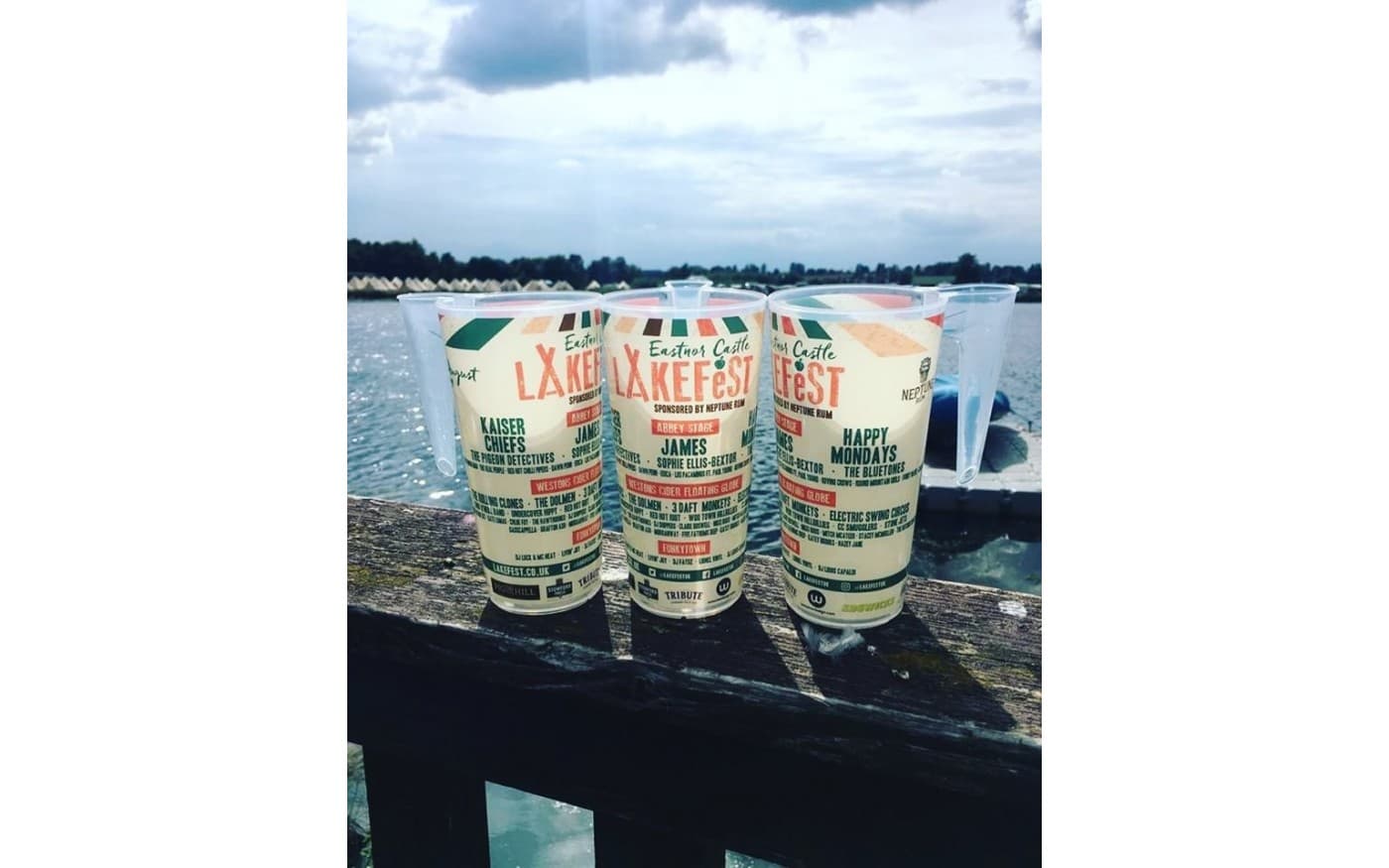
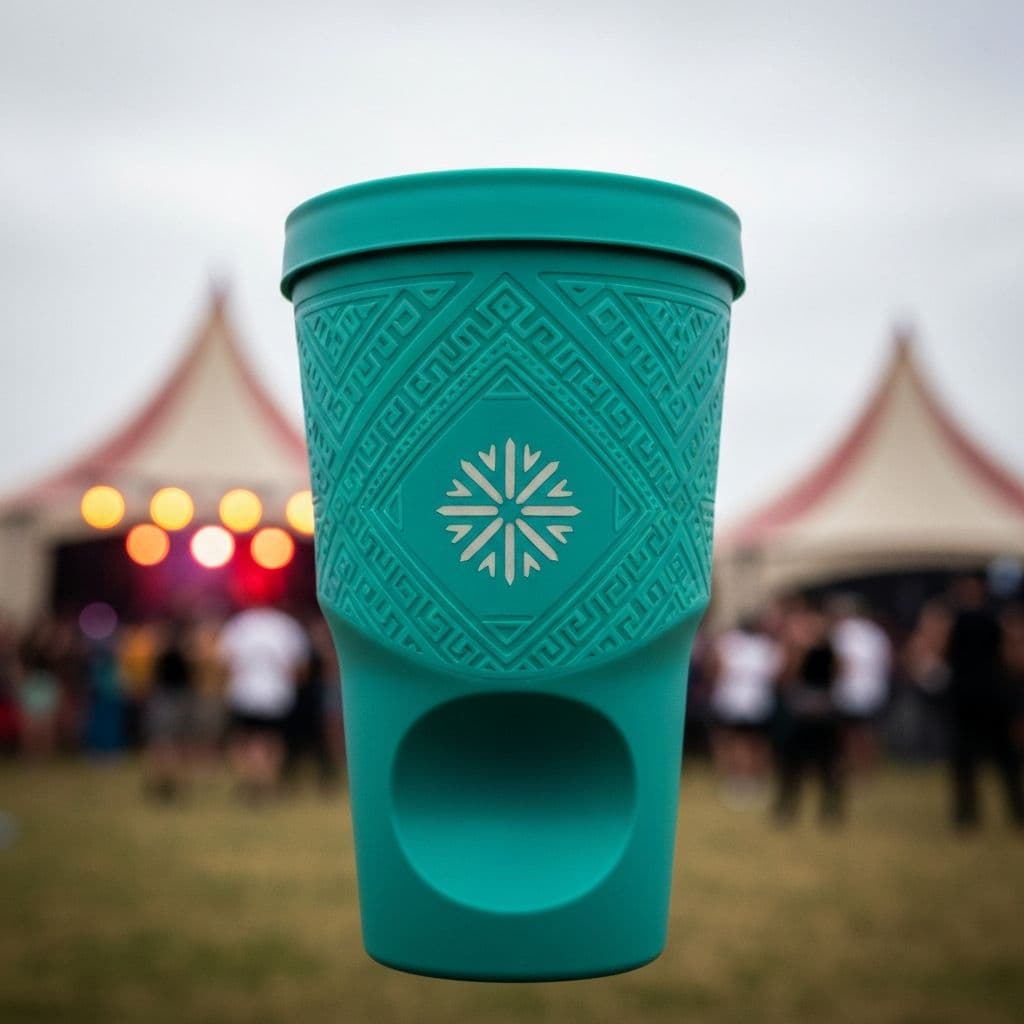
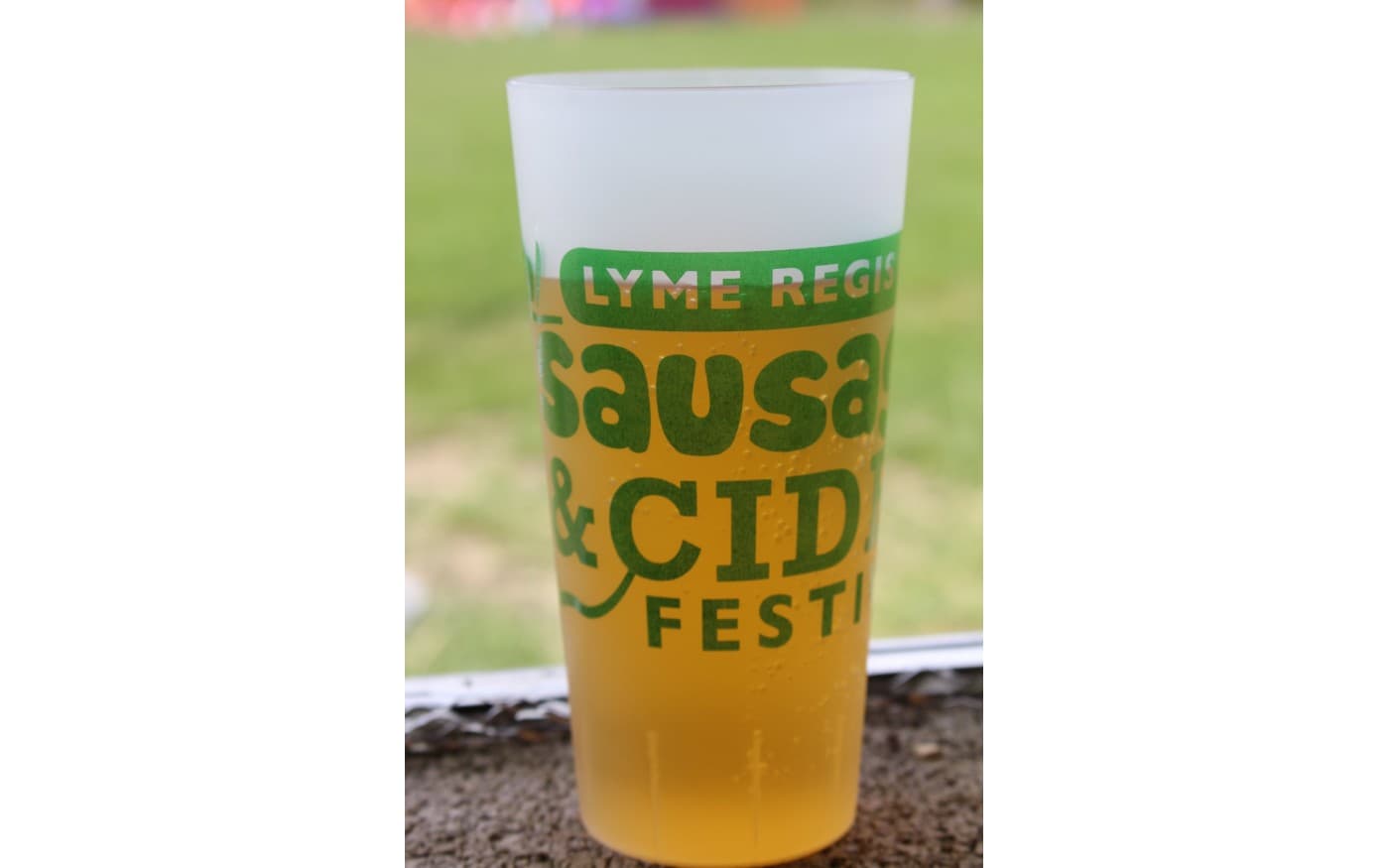
The cup hire page describes hire cups as shatterproof, dishwasher safe and BPA-free, and says reusable festival cups suit busy bars, outdoor events and venues where glass is not practical. The reusable event cups range is listed as BPA-free and dishwasher safe, with printed runs starting at 50 cups. A pavement licence says nothing about which of these a business uses, and this article makes no claim about what a council will or will not accept in its conditions. If you are planning an outdoor service, ask for a quote with the format and the quantity.
Where this stands
This was checked on 1 October 2026. The Act shows no known outstanding effects on legislation.gov.uk. The government guidance carries the date 2 April 2024 and is the oldest page cited here; one sentence in it about alcohol off-sales running until 31 March 2025 is out of date and is not relied on. The pavement licence provisions apply to premises in England.
Frequently Asked Questions
What is a pavement licence?
A licence granted, or deemed granted, by a local authority in England under section 1 of the Business and Planning Act 2020, allowing a business that uses premises as a pub, bar or other food or drink outlet to put removable furniture on an adjacent highway to serve or consume food and drink.
How long does a pavement licence last?
Section 4 allows a council to grant a licence for up to two years. A licence deemed granted because the council did not decide in time lasts two years from the first day after the determination period.
Does a pavement licence let me sell alcohol outside?
The government guidance says a pavement licence only permits the placing of furniture on the highway and does not negate the need for approvals under other regulatory frameworks, such as a licence to sell alcohol.
Can a council revoke a pavement licence?
Yes. Section 6 lets a council revoke a licence for a breach of condition, and on other grounds including that anti-social behaviour or public nuisance is being caused or risks being caused, or that the highway is being obstructed by something other than what the licence-holder does under the licence. The guidance gives an example of litter not being cleaned up.
Do pavement licences apply in Scotland or Wales?
The Act's pavement licence provisions apply to premises in England. The sources used for this article do not cover the other nations.
How we checked this article
Checked on 1 October 2026. The Business and Planning Act 2020, sections 1 to 7A and 9, were read in revised form on legislation.gov.uk; the site shows no known outstanding effects on the Act, shows several of those sections amended with effect from 31 March 2024 by the Levelling-up and Regeneration Act 2023 and S.I. 2024/389, and shows section 7A as inserted. Section 11 was also read: its temporary off-sales modification of the Licensing Act 2003 runs for a relevant period ending on 31 March 2025 or earlier, and the article does not rely on it. MHCLG's Pavement licences: guidance was read through the GOV.UK content API, both the publication page and the guidance itself; the page shows 2 April 2024 as its date, so it is the oldest page cited. One sentence of that guidance, on the alcohol off-sales modification being in place until 31 March 2025, is out of date by the Act's own text and is not repeated. The guidance does not mention drinking vessels or glass, and the article says so. The pavement licence provisions of the Act and the guidance apply to premises in England. Product details come from this site's cup hire page and reusable event cups page, read on 1 October 2026. The hire page describes hire cups as shatterproof, dishwasher safe and BPA-free and says they are used where glass is not practical; the article repeats only that. No price, lead time or capacity of a cup is repeated. The statutory fee caps are given with their date because the Act states them.
- Published by
- Branded Cups Ltd
- Sources last checked
- 2026-10-01
Sources
- Business and Planning Act 2020, section 7 (effects of a pavement licence)
- Business and Planning Act 2020, section 1 (pavement licences)
- Business and Planning Act 2020, section 2 (applications)
- Business and Planning Act 2020, section 3 (determination of applications)
- Business and Planning Act 2020, section 4 (duration)
- Business and Planning Act 2020, section 5 (conditions)
- Business and Planning Act 2020, section 6 (enforcement and revocation)
- Business and Planning Act 2020, section 7A (enforcement against unlicensed furniture)
- Business and Planning Act 2020, section 9 (interpretation, including furniture)
- MHCLG, Pavement licences: guidance (GOV.UK, April 2024)
- MHCLG, Pavement licences: guidance (publication page)
- Branded Cups, Reusable cup hire
- Branded Cups, Reusable event cups