TL;DR
The FSA's guidance says food businesses must provide allergen information to the consumer for both prepacked and non-prepacked food and drink, covering 14 allergens. A drink with no label, such as one poured at a bar, falls on the non-prepacked side on our reading. For non-prepacked food in England, regulation 5 of the Food Information Regulations 2014 lets the business give the information by any means it chooses, including orally, provided that a notice, menu, ticket or label that an intending purchaser can readily see says details can be had by asking a member of staff. The FSA advises written information supported by a conversation. The technical guidance says the duty applies to food supplied free of charge, which, on our reading, brings in a complimentary drinks table at a corporate event run by a food business.
A drink poured into a cup at a bar has no label on it, and the cup is not the thing the rules look at. The Food Standards Agency's guidance for food businesses says they must provide allergen information for both prepacked and non-prepacked food and drink. This article sets out what that means for a bar, a stall or a drinks table in England, what the FSA expects, and which questions the pages leave to the local council.
Drinks are within the rules
The FSA's allergen guidance for food businesses says food business operators in the retail and catering sector must provide allergen information to the consumer for prepacked and non-prepacked food and drink, handle allergens effectively in food preparation, and make sure staff receive training on allergens. The technical guidance adds that the duty applies to all food supplied by food businesses, including food offered complimentary or otherwise without charge.
The guidance names 14 allergens that food law requires to be declared: celery, cereals containing gluten (such as wheat, rye, barley and oats), crustaceans, eggs, fish, lupin, milk, molluscs, mustard, peanuts, sesame, soybeans, sulphur dioxide and sulphites (if at a concentration of more than ten parts per million), and tree nuts. It says this also applies to additives, processing aids and any other substances present in the final product.
What that looks like in a glass
The guidance does not list drinks by type, so the examples here are our own reading of its list. A milk-based coffee involves milk. A cocktail made with egg white involves eggs. A beer made from barley involves a cereal containing gluten. Wine can involve sulphites above the ten parts per million threshold the FSA names.
The technical guidance lists the exceptions to the allergen list, and several concern alcohol: cereals used for making alcoholic distillates, whey used for making alcoholic distillates, and nuts used for making alcoholic distillates, with spirits such as vodka or whisky given as examples, and isinglass used as a fining agent in beer and wine for fish. Those exceptions name distillates, and in our reading beer and wine are not distillates, so only the isinglass exception reaches them. That reading is ours, and a supplier's specification sheet is the place to confirm what a particular drink contains.
Drinks that arrive with a label
For prepacked products, the technical guidance says some foods do not need an ingredients list, such as alcoholic drinks with more than 1.2% alcohol by volume. In that case the presence of any Annex II substance that is not clear from the name of the food must still be indicated, for example with a statement such as Contains: sulphites, milk and egg on a bottle of wine, where the finished product contains them. On our reading, a bar selling bottled or canned drinks passes on that label. The question left for the bar is the drink that is poured.
Drinks poured into a cup
The FSA describes non-prepacked food as any food presented to the final consumer that does not fall within the definition of prepacked food, and the technical guidance says food packed at the consumer's request is covered by the same rules. Regulation 5 of the Food Information Regulations 2014 applies to a relevant food offered for sale that is not prepacked or is packed on the sales premises at the consumer's request.
Our reading is that a drink poured at the bar when the customer asks is non-prepacked. Neither FSA page says anything specific about a drink poured into a cup. The FSA's page lists three tests for prepacked food: it is fully or partly enclosed by the packaging, it cannot be altered without opening or changing the packaging, and it is ready for sale. The technical guidance gives a hot dog served on a cardboard tray as an example of food that can be altered without opening the packaging. The pages do not say how those tests apply to a lidded cup filled before a customer asks, for example at a stall working from a cooler. That is a question for the council that covers the event.
The guidance also describes food prepacked for direct sale as packed before being offered for sale by the same business on the same premises or site, or from movable or temporary premises such as marquees, market stalls and mobile sales vehicles. An event bar in a marquee or served from a mobile unit is the sort of premises it names, which is a reason to ask the council rather than guess. The FSA page says that food prepacked for direct sale needs a label with a full ingredients list, with allergenic ingredients emphasised within it, so the answer matters.
How to give the information
For non-prepacked food, the FSA page says information can be given by any means. Regulation 5(1) says the same and includes orally. The options the FSA gives are full written allergen information on a menu, chalkboard or information pack, or verbal information with a written notice in a clearly visible position explaining how customers can get it.
Where the information is given orally, regulation 5(3) and (4) require an indication that details can be obtained by asking a member of staff. It must be on a label attached to the food or on a notice, menu, ticket or label that is readily discernible by an intending purchaser at the place where they choose the food. The FSA offers an allergy and intolerance sign for this purpose, in English and Welsh versions, and a business can create its own.
The FSA's advice is that written allergen information, supported by a conversation, works best for consumers. The technical guidance says staff should receive allergen training and know where to find the information, and that oral information is more likely to be accurate if staff can refer to a chart, a recipe book or ingredient sheets. For a drinks menu at a festival bar, that suggests a written list kept with the bar and a staff briefing before opening.
Free drinks at a corporate event
The technical guidance states that the duty covers food supplied free of charge. On that reading, a drinks table at a launch, a conference or a client evening is in the same position as a paid bar where the person running it is a food business. The guidance also says individuals who occasionally provide food at charity events may need to follow the legal requirements, and points anyone unsure whether they should be registered as a food business to the local authority's environmental health department.
Enforcement
The technical guidance says failure to comply with the allergen provisions may result in an improvement notice or a criminal prosecution, and that authorised food officers at local authorities hold responsibility for official controls on allergen rules. The Food Information Regulations 2014 apply in England only. Wales and Northern Ireland have their own versions, and Scotland is not covered by this guidance.
What this site says about its cups
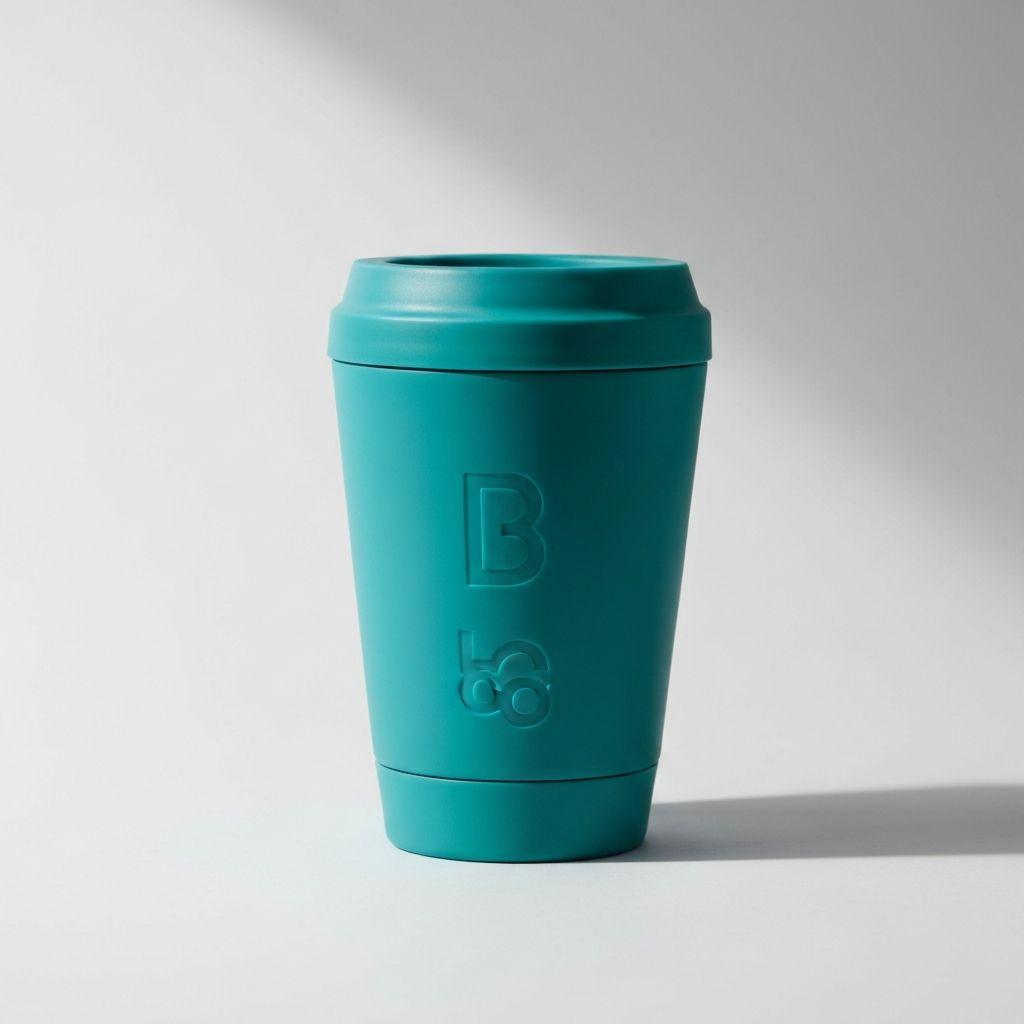
The reusable event cups range is listed as BPA-free and dishwasher safe, and the reusable coffee cups page describes a 350ml cup with a secure-fit lid. Neither page mentions allergens, and this article makes no claim about them. The allergen question belongs to the drink in the cup. Cups that are reused need washing between uses, which our guide to washing reusable cups between events covers. Registration as a food business applies to businesses that sell food and drink from a stall, which our guide to registering a hot drinks stall as a food business explains. To plan a bar run, ask for a quote with the format and quantities.
Where this stands
This was checked on 1 October 2026. Both FSA pages are on GOV.UK, the allergen guidance was last updated on 17 July 2026, and the technical guidance carries a revision history ending in March 2025. Regulation 5 of the Food Information Regulations 2014 shows no known outstanding changes on legislation.gov.uk. The FSA pages do not address a drink poured into a cup in terms, so the council's view matters where the case is not clear.
Frequently Asked Questions
Do bars have to give allergen information for drinks?
The FSA's guidance says food businesses must provide allergen information to the consumer for both prepacked and non-prepacked food and drink. For non-prepacked food in England, regulation 5 of the Food Information Regulations 2014 allows the information to be given by any means the business chooses, including orally.
Which allergens does the rule cover?
The FSA names 14: celery, cereals containing gluten, crustaceans, eggs, fish, lupin, milk, molluscs, mustard, peanuts, sesame, soybeans, sulphur dioxide and sulphites at more than ten parts per million, and tree nuts.
Can staff give the information by word of mouth?
Yes, under regulation 5, but a notice, menu, ticket or label that an intending purchaser can readily see at the place where they choose the food must say details can be obtained by asking a member of staff. The FSA advises written information supported by a conversation.
Does the rule apply to free drinks at an event?
The FSA's technical guidance says the duty applies to all food supplied by food businesses, including food offered complimentary or otherwise without charge.
Is a drink poured into a cup prepacked?
The FSA pages do not address it in terms. They say food packed at the consumer's request is covered by the non-prepacked rules, and they give three tests for prepacked food. Our reading is that a drink poured when the customer asks is non-prepacked, and a cup filled and lidded beforehand is a question for the local council.
How we checked this article
Checked on 1 October 2026. The Food Standards Agency's Allergen guidance for food businesses was read through the GOV.UK content API; the page shows 25 June 2026 as its first publication on GOV.UK, and 17 July 2026 as its last update, for a changed link to a decision tool. Its statements that businesses must provide allergen information for prepacked and non-prepacked food and drink, the list of 14 allergens, the three tests for prepacked food, and the ways of giving non-prepacked information were taken from that page. The FSA's Food allergen labelling and information requirements: technical guidance was read in full through the same API; the page shows 25 June 2026 as its first publication on GOV.UK and a revision history that ends in March 2025, and it covers England, Wales and Northern Ireland. Paragraphs 2, 4, 70, 74, 79 to 84, 94 to 99 and 105 to 107 were used. Regulation 5 of the Food Information Regulations 2014 (SI 2014/1855) was read in revised form on legislation.gov.uk, where it shows no known outstanding effects; regulation 1(4) confines those Regulations to England, so Wales, Scotland and Northern Ireland are not covered. Neither FSA page was found to say anything specific about a drink poured into a cup, and the reading that a drink poured at a bar is non-prepacked food, packed at the consumer's request, is this article's own and is marked as such. The reading of the exceptions to the allergen list for distillates is also this article's own. Product details come from this site's reusable event cups and reusable coffee cups pages, read on 1 October 2026; neither mentions allergens, and the article makes no claim about them. No price, lead time or capacity is repeated.
- Published by
- Branded Cups Ltd
- Sources last checked
- 2026-10-01
Sources
- Food Standards Agency, Allergen guidance for food businesses (GOV.UK, updated 17 July 2026)
- Food Standards Agency, Food allergen labelling and information requirements: technical guidance (GOV.UK)
- The Food Information Regulations 2014, regulation 5 (foods that are not prepacked etc.)
- The Food Information Regulations 2014, regulation 1 (extent and application)
- Branded Cups, Reusable event cups
- Branded Cups, Reusable coffee cups