TL;DR
The Food Standards Agency's safe method on cleaning describes a two-stage process: clean to remove visible dirt and grease, then disinfect following the manufacturer's instructions and contact time, with disinfectants meeting BS EN 1276 or BS EN 13697. It says to use a dishwasher where possible, because a dishwasher washes at a high temperature that cleans, kills bacteria and removes allergens, and not to overload it. For an event running thousands of cups, that is the specification a wash-up has to meet, whether in house or through a hire service.
A reusable cup scheme lives or dies on the wash-up. Get it right and a cup does a season. Get it wrong and the scheme becomes a hygiene complaint with a logo on it. The Food Standards Agency's guidance for food businesses is written for kitchens, and it applies word for word to a cup that a customer drinks from.
Cleaning and disinfecting are two jobs
The FSA's Safer Food Better Business safe method on cleaning effectively is built on one distinction. Cleaning and disinfection need to be carried out in two stages. First, clean: use hot soapy water or a cleaning product to remove visible dirt, grease and debris, then wipe off or rinse. Second, disinfect: following the manufacturer's instructions, apply a disinfectant all over the surface or equipment and leave it on for the required contact time.
The reason is stated on the same page. Chemical disinfectants only work if surfaces have been thoroughly cleaned first to remove grease and other dirt. A cup that goes straight into sanitiser with beer residue on it is not disinfected, whatever the label says.
The safe method also names the standards a disinfectant should meet: BS EN 1276 or BS EN 13697. A food business is expected to keep information confirming that its products meet one of them.
Why the guidance prefers a dishwasher
On equipment, the FSA's advice is direct: ideally use a dishwasher. Its explanation is that dishwashers wash items thoroughly at a high temperature, which is a good way to clean equipment, kill bacteria, which is to say disinfect, and remove allergens. Two cautions follow. Do not overload the dishwasher, because an overloaded machine may not wash effectively, and make sure it is maintained and serviced regularly.
Where there is no dishwasher, the fallback is hot soapy water with a bactericidal detergent, and where the same sink has to serve raw and ready-to-eat equipment, the water and the sink are cleaned and disinfected between the two.
For a cup, the dishwasher route only works if the cup is built for it. Every reusable event cup on this site is listed as dishwasher safe and BPA-free, which is the property that makes a season of washes possible.
Scaling it to an event
A festival bar does not have a kitchen dishwasher and a quiet afternoon. It has tens of thousands of cups, a pack-down window, and staff who were serving until the last set. The two-stage clean still applies; what changes is where it happens.
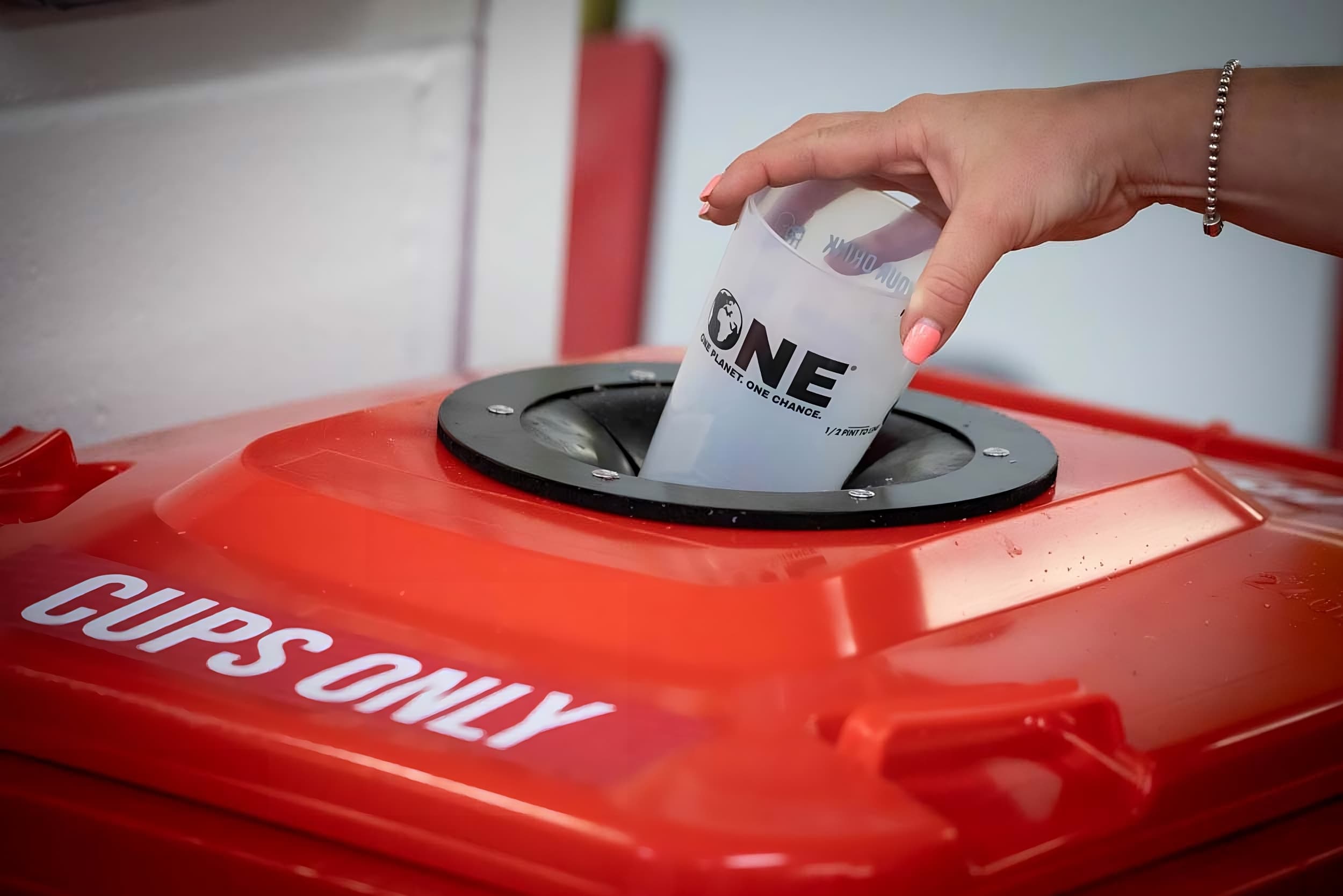
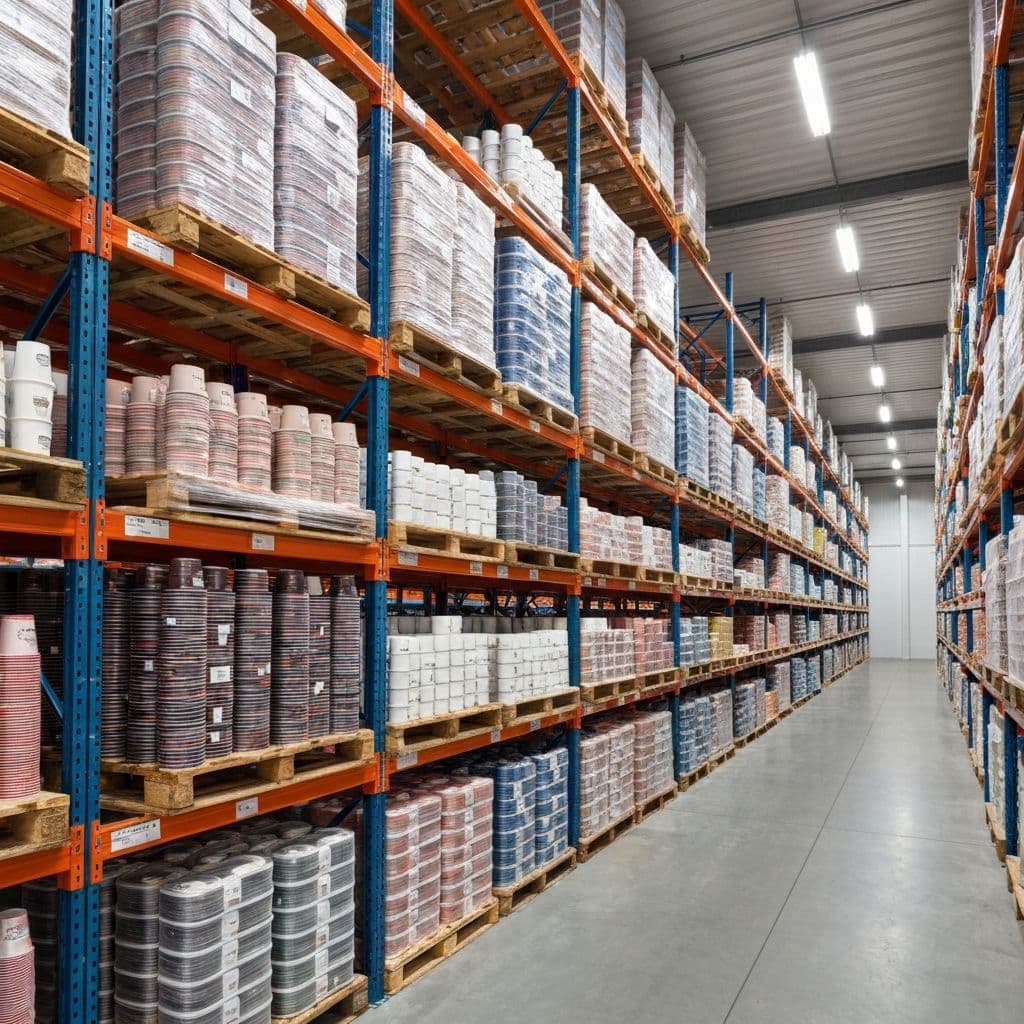
The practical options are a commercial warewasher on site, which means power, water and drying space; or moving the cups to a washing facility after the event. The cup hire service on this site is built around the second option: cups arrive ready for service, and collection, washing and drying are handled afterwards at specialist stations, with cup bins to speed up the pack-down and storage between uses. The machines at those stations are listed as using 30% less energy than traditional washers.
Either way, the specification is the FSA's, not the supplier's: clean first, disinfect second, at temperature, without overloading, with a machine that is serviced.
The checklist for a wash-up
Whoever washes the cups, these are the questions that matter. Is it a two-stage process, with cleaning before disinfection. What temperature does the machine reach, and is it serviced. Which standard does the disinfectant meet, BS EN 1276 or BS EN 13697, and where is the confirmation kept. How are cups dried, since drying naturally is what the FSA describes for items that are handled often. And how are clean cups stored so they stay clean until the next pour.
If the answer to any of those is a shrug, the cups are not reusable yet. Waste from the bar has its own rules: see the duty of care that follows a cup off your site and the workplace recycling rules in England.
Frequently Asked Questions
How should reusable cups be cleaned according to UK guidance?
The Food Standards Agency's safe method describes two stages: clean with hot soapy water or a cleaning product to remove dirt and grease, then disinfect following the manufacturer's instructions and contact time. Disinfectants only work on a surface that has been cleaned first.
Which standard should a disinfectant meet?
The FSA safe method says sanitisers and disinfectants should meet BS EN 1276 or BS EN 13697, and that a business should keep information confirming this.
Is a dishwasher enough on its own?
The FSA says to ideally use a dishwasher, because it washes at a high temperature that cleans, kills bacteria and removes allergens. It adds two conditions: do not overload it, and keep it maintained and serviced.
Can a festival wash its own cups?
With a commercial warewasher, power, water and drying space on site, yes. The alternative is a hire service that collects cups after the event and washes, dries and stores them at specialist stations, which is how the hire service on this site operates.
How we checked this article
Checked on 1 September 2026 against the Food Standards Agency's Safer Food Better Business safe method on cleaning effectively, read from the copy hosted on GOV.UK's publishing service, for the two-stage clean and disinfect, the disinfectant standards BS EN 1276 and BS EN 13697, and the guidance on dishwashers; and against the GOV.UK page Why is cleaning important, dated 18 December 2017, for the purpose of cleaning. The dishwasher-safe status of the cups and what the hire washing service includes are taken from this site's product and rental pages.
- Published by
- Branded Cups Ltd
- Sources last checked
- 2026-09-01