TL;DR
GOV.UK's workplace recycling guidance, last updated 3 October 2025, says all workplaces in England must separate their waste before collection, including waste produced by employees, customers and visitors. The streams are dry recyclables (glass, metal, plastic, paper and card), food waste and non-recyclable waste. The rules came into force on 31 March 2025, and micro-firms with fewer than 10 full-time equivalent employees have until 31 March 2027. Food waste has to be collected even where the workplace serves no food. The statutory basis is section 57 of the Environment Act 2021.
A bar generates most of its waste at the moment the drink is finished, and most of it lands in a bin that someone else empties. Since March 2025 the rule about that bin has been the same for every workplace in England.
The duty, in one sentence
GOV.UK's guidance on workplace recycling in England, last updated on 3 October 2025, puts it directly: "All workplaces in England must separate their waste before it's collected, including any waste produced by employees, customers and visitors."
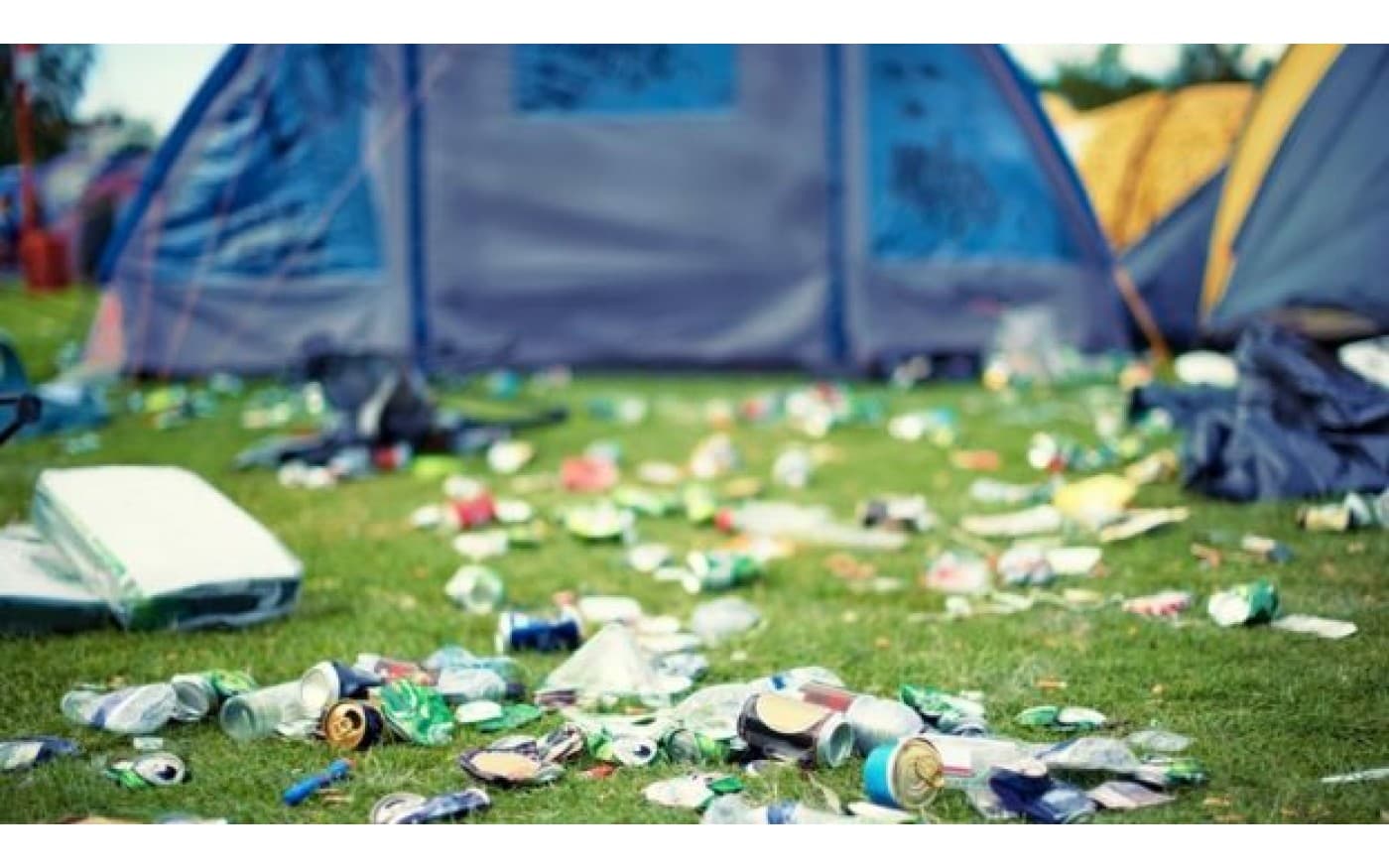
The clause about customers and visitors is the one that catches venues. A cup left on a table by a paying customer is workplace waste, and the duty to have it separated sits with the workplace rather than with the person who left it.
The streams
Three of them, and one of the three is more prescriptive than most people expect.
Dry recyclables are glass, metal, plastic, and paper and card. Food waste is its own stream. Whatever is left is non-recyclable waste. The guidance is explicit that food waste is collected "even if the workplace does not serve food or have a kitchen", and that the rule applies "no matter how little food waste you have".
The statutory basis for all of it is section 57 of the Environment Act 2021, which substitutes sections 45A to 45AZG of the Environmental Protection Act 1990. Section 45AZB covers separate collection of business waste that is similar in nature to household waste, which is the provision that applies to an ordinary venue such as a bar, and lists the recyclable waste streams as glass, metal, plastic, paper and card, and food waste. A narrower, related provision, section 45AZA, covers a defined list of non-domestic premises such as residential homes, schools and hospitals, and does not on its own cover a bar or event venue. Garden waste appears only in the household provisions. Section 45AZB(6) lets a collector depart from separate collection where it is not technically or economically practicable, or where there is no significant environmental benefit. That relief sits with the collector rather than with the business presenting the waste.
The dates
The rules came into force on 31 March 2025. Micro-firms, defined in the guidance as workplaces with fewer than 10 full-time equivalent employees, have until 31 March 2027.
A small independent venue is often a micro-firm on that definition and a large one rarely is, so the answer to "does this apply to us yet" is a headcount question before it is a waste question.
Where cups sit in this
A single-use plastic cup, once it has been drunk from, is plastic in the dry recyclable stream, and it arrives there in quantity, at speed, mixed with liquid and often with food. That is the operational problem behind the compliance one: separation at the point the cup is put down is what makes the stream usable, and a bar without a return point relies on the customer to do it.
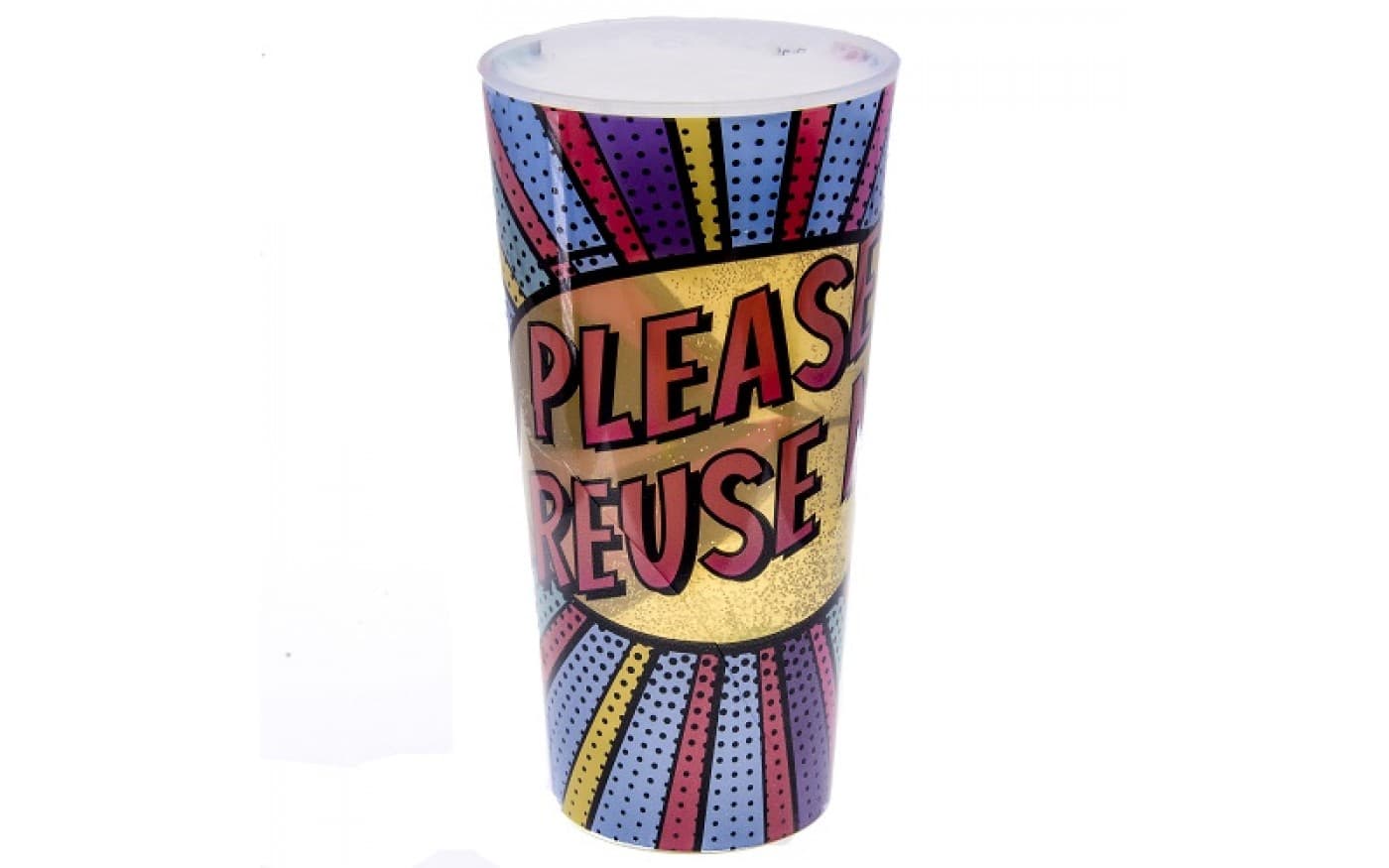
A cup that comes back to the bar is not put out for waste collection at the end of that serving. It goes to the wash instead. That is the practical reason venues running reusable event cups with a deposit end up with less to separate rather than more, and why an event that would rather not run the washing itself can use cup hire and hand back the collection with the stock.
Where single use is the right answer for a one-off, the choice is still a stream question: what the cup is made of decides which bin it belongs in, and how well it is separated decides whether that bin does anything.
What to check this quarter
Confirm your headcount against the micro-firm definition, ask your waste collector which streams they take and how they are presented, and look at where a customer physically puts a finished cup in your venue. The rules are about separation before collection, and separation is decided by the bin nearest the drinker. If the answer is a cup that comes back rather than a bin that fills, ask for a quote with your event volumes and the return arrangement you have in mind.
Frequently Asked Questions
Do workplace recycling rules apply to my venue?
GOV.UK's guidance says all workplaces in England must separate their waste before it is collected. The rules came into force on 31 March 2025, and micro-firms with fewer than 10 full-time equivalent employees have until 31 March 2027.
Which waste streams have to be separated?
Dry recyclable materials, which are glass, metal, plastic, and paper and card; food waste; and non-recyclable waste. Section 45AZB of the Environmental Protection Act 1990, as substituted by section 57 of the Environment Act 2021, is the provision covering ordinary business waste and lists the same recyclable streams.
Does waste left by customers count?
Yes. The guidance covers waste produced by employees, customers and visitors, so cups left behind by the public are part of the workplace's separation duty.
Do we need a food waste bin if we do not serve food?
The guidance says food waste must be collected even where the workplace does not serve food or have a kitchen, and that the rule applies however little food waste there is.
Are reusable cups outside these rules?
A cup that is returned, washed and used again is not put out for collection as packaging waste at the end of each serving, which is the point of running a return system. The separation duty still applies to everything else the venue produces, and this article does not address any separate producer-responsibility duties that may apply to reusable packaging.
How we checked this article
Checked on 6 September 2026 against GOV.UK's guidance on workplace recycling in England, last updated 3 October 2025, for the duty to separate, the streams, the commencement date of 31 March 2025, the micro-firm date of 31 March 2027 and the food waste rule, and against section 57 of the Environment Act 2021 on legislation.gov.uk, which substitutes sections 45A to 45AZG of the Environmental Protection Act 1990. The statutory basis was read section by section rather than taken from the guidance page. Section 45AZA covers separate collection of household waste from a defined list of non-domestic premises, being residential homes, schools and other education premises, hospitals and nursing homes, and premises added by regulation. It is section 45AZB, on industrial or commercial waste similar in nature and composition to household waste, that covers a bar or an event venue, and it carries the same list of recyclable streams. The article names 45AZB for that reason. This article covers workplace collections in England. Household collections under Simpler Recycling are a separate duty and are covered in our article on polypropylene cup recycling.
- Published by
- Branded Cups Ltd
- Sources last checked
- 2026-09-06