TL;DR
Section 34 of the Environmental Protection Act 1990 applies to any person who imports, produces, carries, keeps, treats or disposes of controlled waste, or who as a dealer or broker has control of it. Those it binds must take all such measures as are reasonable in the circumstances to stop the waste escaping their control, to pass it only to an authorised person, and to provide a written description of it on transfer. The only exemption in the section is for an occupier of domestic property as respects household waste produced on the property, which is not an event bar.
The bins at the end of a festival bar belong to someone in law, and it is worth knowing who before the contract for the site is signed.
What section 34 actually says
Section 34(1) of the Environmental Protection Act 1990 applies to "any person who imports, produces, carries, keeps, treats or disposes of controlled waste or, as a dealer or broker, has control of such waste". That is a wide net, and an event bar producing waste sits inside it without argument.
Those it binds must take "all such measures applicable to him in that capacity as are reasonable in the circumstances" to do several things: prevent contraventions of section 33 by others, prevent the waste escaping from their control, ensure on transfer that it goes only to an authorised person or a person for authorised transport purposes, and provide a written description of the waste good enough for the next person in the chain to avoid a contravention themselves.
The exemption is narrow. Section 34(2) exempts "an occupier of domestic property as respects the household waste produced on the property". A venue is not a domestic property, and a festival is not a household.
Failure is a criminal matter. Section 34(6) makes a person liable on summary conviction to a fine not exceeding the statutory maximum, and on conviction on indictment to a fine.
The code that sits under it
GOV.UK publishes a Waste duty of care code of practice, and states its own status plainly: "This code is issued under section 34 of the Environmental Protection Act 1990." It applies, in its words, "if you produce, carry, keep, dispose of, treat, import or have control of waste in England or Wales".
One caution on that document, and the reason its date is given here. The code page carries a last updated date of 26 November 2018. It is the current code, but it is the oldest page cited in this article, and a page that has not moved in years is worth checking against the section itself rather than relied on alone. That is what was done here.
Where cups come into it
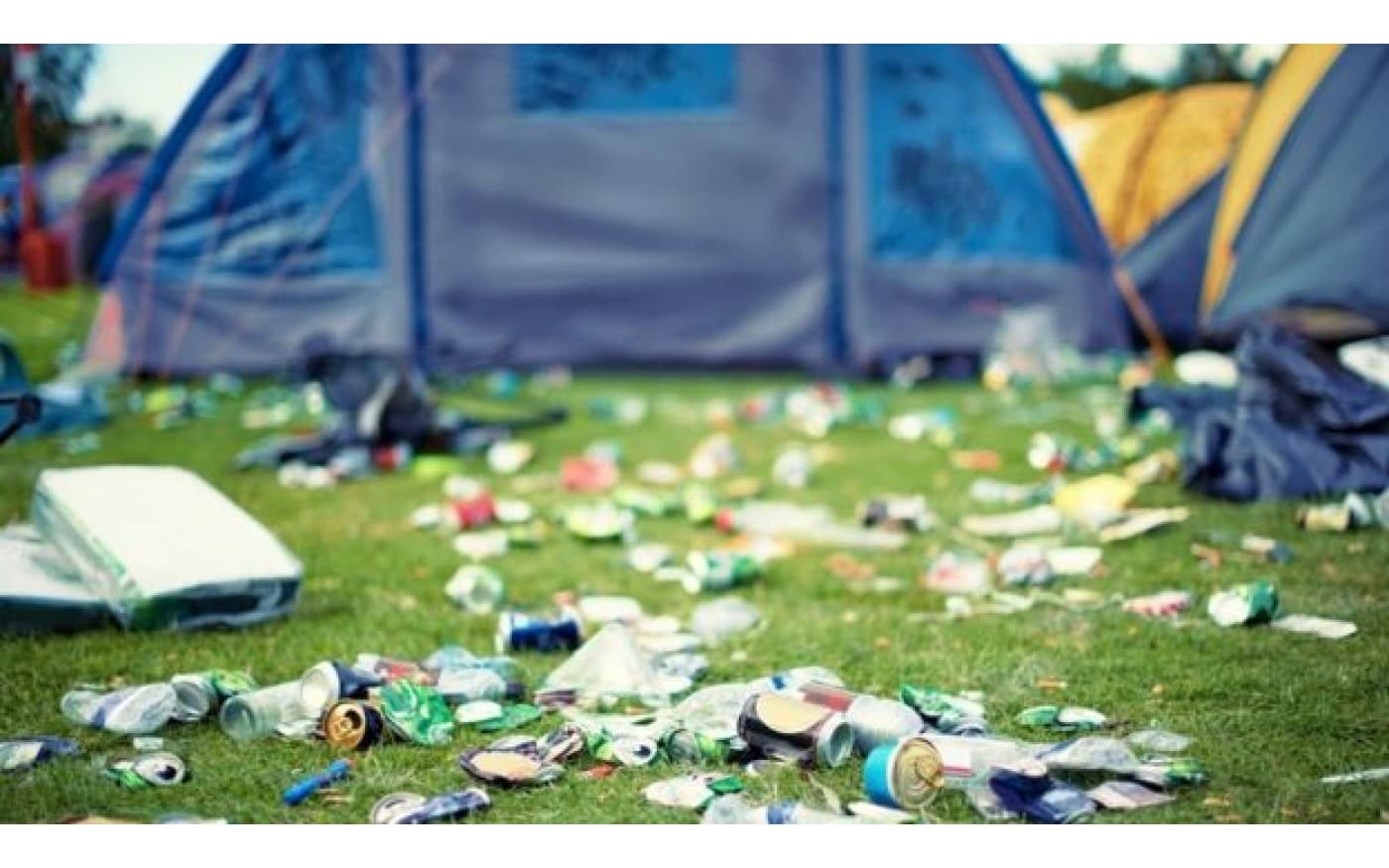
A disposable cup handed over a bar becomes waste on the same site, in volume, within the hour. The duty attaches to whoever produces or controls it on the day, not to whoever sold the cups months earlier. Section 34 does not name organisers, bar operators or suppliers; it names the person in control of the waste, and that is a question of fact for each site rather than something the Act spells out for events. Buying a cup does not transfer a duty; producing waste creates one.
That is the part worth sitting with when a cup decision is being made on unit price alone. Two options that cost the same per cup do not cost the same to clear, to describe on transfer, or to hand to an authorised carrier.
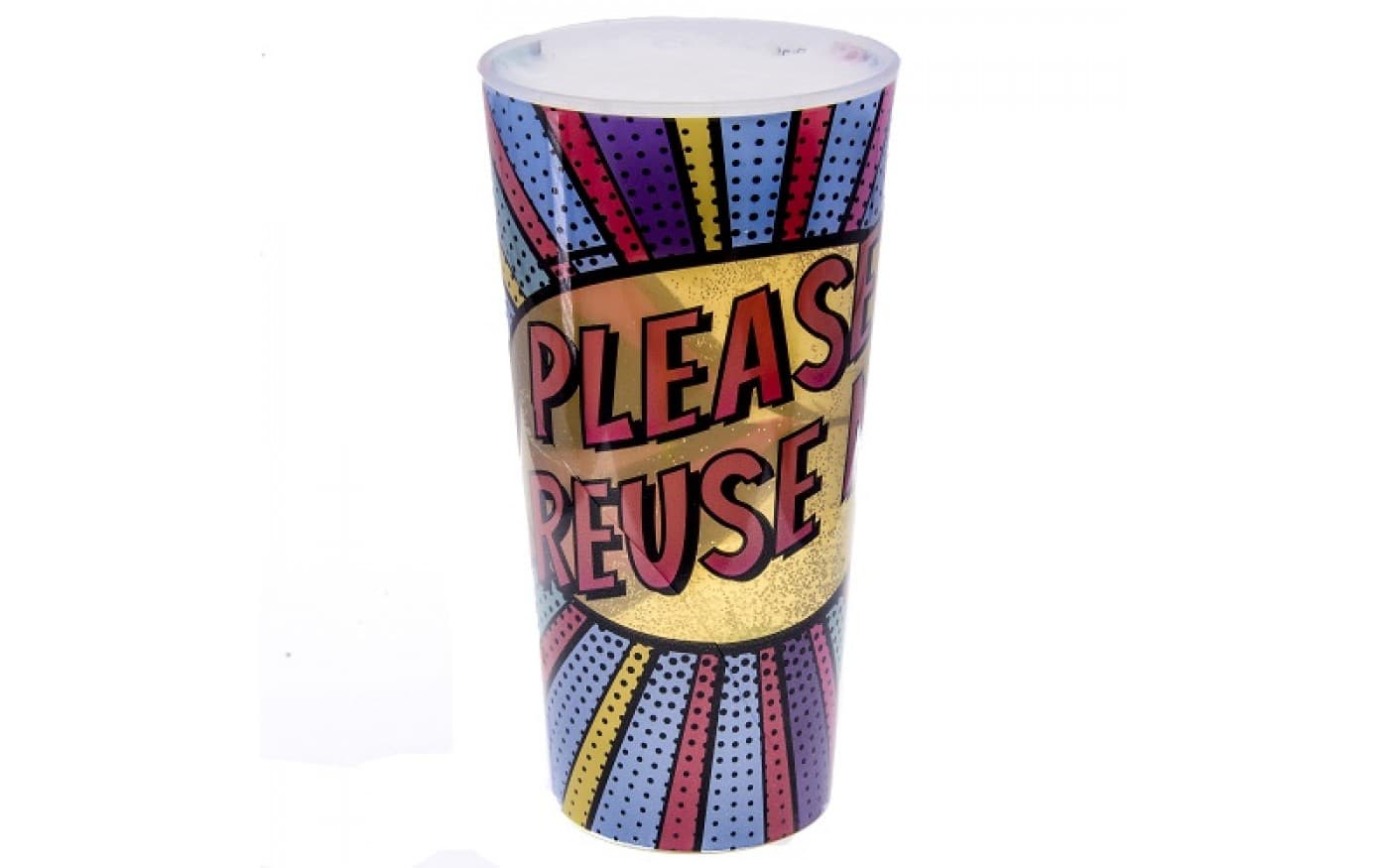
A cup that comes back to the bar is not presented for collection at the end of that serving. It is washed and poured again. The volume that reaches the bins is smaller, and what does reach them is more predictable. That is one of the operational arguments for reusable event cups that has nothing to do with sustainability messaging, and for cup hire where an event would rather the washing, the collection and the storage sat with someone else.
Where single use is the right answer for a one-day event, the duty does not disappear, it simply has more to work on. Printed paper cups still leave a stream to separate, describe and transfer.
What to have in place before the gates open
Know who holds the duty on your site and write it into the contract rather than assuming it. Check that whoever takes the waste away is authorised to do so. Complete the written description on transfer, and keep it. One change is coming at the other end of the transfer: the Digital Waste Tracking (England) Regulations 2026 come into force on 1 October 2026 and bind operators of permitted facilities receiving controlled waste in England, with an exception for digitally excluded persons. That is a duty on the site taking your waste rather than on your bar, which is a reason to ask your carrier how they intend to meet it. And count the cups you expect to clear, not just the cups you expect to sell: the second number is the one section 34 cares about.
If the answer is fewer cups in the bins rather than a better bin, ask for a quote with your expected attendance and the return arrangement you have in mind.
Frequently Asked Questions
Who holds the waste duty of care at an event?
Section 34(1) of the Environmental Protection Act 1990 applies to any person who imports, produces, carries, keeps, treats or disposes of controlled waste, or who as a dealer or broker has control of it. The Act does not name event roles, so at a given event it is a question of fact who is in control of the waste; the section does not attach the duty to whoever sold the cups.
Does the duty of care apply to a small venue?
The only exemption written into section 34(2) is for an occupier of domestic property as respects household waste produced on the property. A licensed venue of any size falls outside that exemption.
What has to be provided when waste is transferred?
Section 34(1)(c) requires that on transfer the waste goes only to an authorised person or a person for authorised transport purposes, together with a written description of the waste good enough to let the next holder avoid a contravention themselves.
What is the penalty for breaching the duty of care?
Section 34(6) provides for a fine not exceeding the statutory maximum on summary conviction, and a fine on conviction on indictment.
Do reusable cups remove the duty?
No. The duty applies to the waste an event produces, and every event produces some. A return system reduces the volume of cups reaching the bins rather than removing the obligation that covers what does.
How we checked this article
Checked on 6 September 2026 against section 34 of the Environmental Protection Act 1990 on legislation.gov.uk, in the England and Wales version currently in force (not the Scotland text, and not the version due to be amended by SI 2026/873, which does not come into force until 22 July 2027), read subsection by subsection for who the duty binds, the measures it requires and the domestic exemption. Also checked against the Waste duty of care code of practice on GOV.UK, which is issued under that section and states its own scope; the code carries a last updated date of 26 November 2018, given here because it is the oldest page cited, and no withdrawal or replacement notice was found on it. The retention period for transfer notes is not stated in this article: it is not on either page as read, and a figure that is not on the page is not published here as though it were. The claim that the duty commonly falls to the organiser or the bar operator rather than the supplier is this article's own reading of who produces or controls waste on site, not a claim drawn from either source, and the wording has been changed to say so. The Digital Waste Tracking (England) Regulations 2026 were read on legislation.gov.uk after the first draft, because they come into force on 1 October 2026, inside this article's subject and shortly after it publishes. They are described here as they read: England, operators of permitted facilities receiving controlled waste, with an exception for digitally excluded persons. They are not described as a new duty on an event bar, because that is not what they say.
- Published by
- Branded Cups Ltd
- Sources last checked
- 2026-09-06