TL;DR
The CMA's Green Claims Code sets six principles for environmental claims. Its worked example of a misleading claim is a disposable cup marked compostable with no explanation of the conditions required. The guidance still cites the 2008 Regulations, while the unfair commercial practices provisions of the Digital Markets, Competition and Consumers Act 2024 apply from 6 April 2025.
The Competition and Markets Authority chose a cup to illustrate what a misleading environmental claim looks like. If you print cups, that is worth knowing before the artwork goes to press.
The six principles
The CMA published its guidance on environmental claims in September 2021, under the Consumer Protection from Unfair Trading Regulations 2008. One thing to know before you rely on it: that guidance page still names the 2008 Regulations, and the unfair commercial practices provisions of the Digital Markets, Competition and Consumers Act 2024 apply to commercial practices from 6 April 2025 onwards. The CMA describes those provisions as replacing and updating the 2008 Regulations, and says traders can generally expect the same or similar requirements to apply. The principles below stand. The statute underneath them has moved.
Six principles run through the guidance. Claims must be truthful and accurate. They must be clear and unambiguous. They must not omit or hide important relevant information. Comparisons must be fair and meaningful. Claims must consider the full life cycle of the product or service. And claims must be substantiated.
Nothing there is exotic. What catches businesses out is the third and fifth: the information you leave off, and the part of the life cycle you skipped.
The cup example, in the CMA's own words
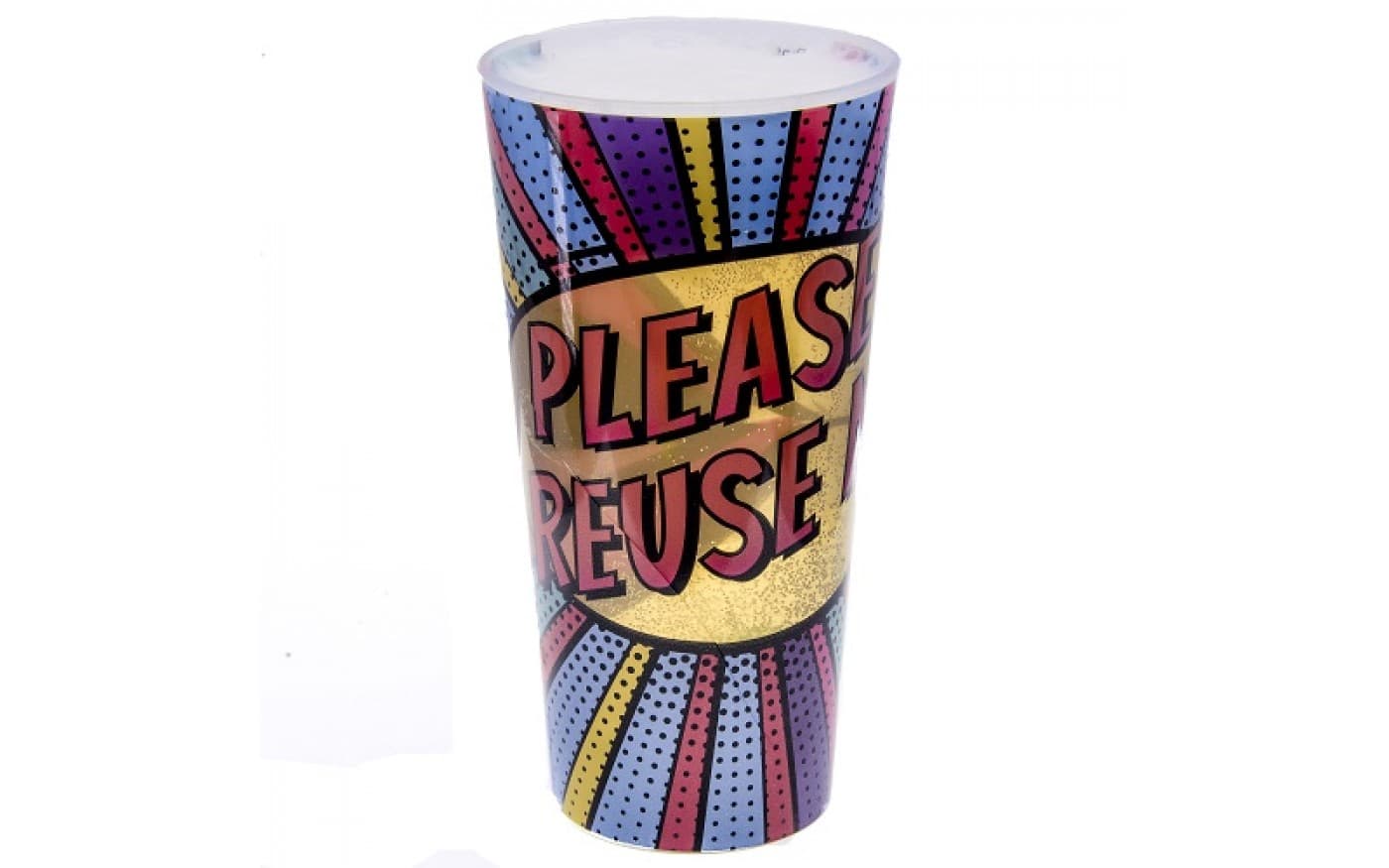
The guidance works through a case that maps exactly onto event drinkware. A disposable cup is marked "compostable". No further information is provided. The cup will not compost in a home compost bin, and an industrial composter is required. The CMA's conclusion is that the claim is likely to be misleading because it does not specify the circumstances.
The gap is not the word. It is the missing condition. A consumer holding that cup can only act on the claim if their local authority collects waste for industrial composting, and most of them have no way of knowing whether it does.
Why biodegradable and recyclable sit in the same bracket
The guidance treats these terms together and says they "can also be problematic. Often, they only apply to parts of products or in certain conditions."
That is the practical test for a cup. Does the claim cover the whole cup or the body without the lid? Does it hold in a home bin or an industrial facility? Does it hold in the waste system your customer can actually reach?
If the answer needs a paragraph, the paragraph belongs next to the claim.
Green, sustainable and eco-friendly
The CMA is direct about the umbrella terms: "Terms like 'green', 'sustainable' or 'eco-friendly,' especially if used without explanation, are likely to be seen as suggesting that a product... has a positive environmental impact... Unless a business can prove that, it risks falling short of its legal obligations."
Note where the burden sits. The default reading of the word is the strong one, and the business carries the job of proving it.
What this means for the artwork
Say what the cup is, say what happens to it, and say under what conditions. A reusable cup can be described by what it does, which is get used again, and that claim is easy to substantiate and hard to misread.
For anything ending in "-able", write the condition on the same panel as the claim. It costs a line of type, and it is the difference between a claim you can defend and a claim you will be asked to withdraw.
The claims that survive this test are the ones tied to what the product does. Our own page on green credentials sticks to reuse for that reason, and the single-use plastic rules are worth reading before you describe a cup as banned or compliant. Both ranges sold here state their material on the product page: paper festival cups and reusable event cups.
Frequently Asked Questions
Can I print compostable on a cup?
The CMA guidance treats a compostable claim as likely to be misleading when it does not specify the circumstances required. If the cup needs an industrial composter, say so next to the claim rather than leaving the term on its own.
Is eco-friendly a safe description?
The CMA says terms like green, sustainable and eco-friendly, used without explanation, are likely to be read as claiming a positive environmental impact, and a business that cannot prove that risks falling short of its legal obligations.
Which law sits behind the Green Claims Code?
The CMA guidance is framed around the Consumer Protection from Unfair Trading Regulations 2008 and sets out six principles an environmental claim should satisfy. Since 6 April 2025 the unfair commercial practices provisions of the Digital Markets, Competition and Consumers Act 2024 apply, which the CMA describes as replacing and updating the 2008 Regulations.
How we checked this article
Checked on 13 August 2026 against the Competition and Markets Authority guidance on environmental claims published on GOV.UK on 20 September 2021, including its six principles and its worked example of a cup marked compostable, and against the CMA business checklist in the same collection. Because that page still names the 2008 Regulations, the current statutory position was checked separately against the CMA unfair commercial practices guidance CMA207, updated 18 November 2025, which gives 6 April 2025 as the date the Digital Markets, Competition and Consumers Act 2024 provisions apply from.
- Published by
- Branded Cups Ltd
- Sources last checked
- 2026-08-13