TL;DR
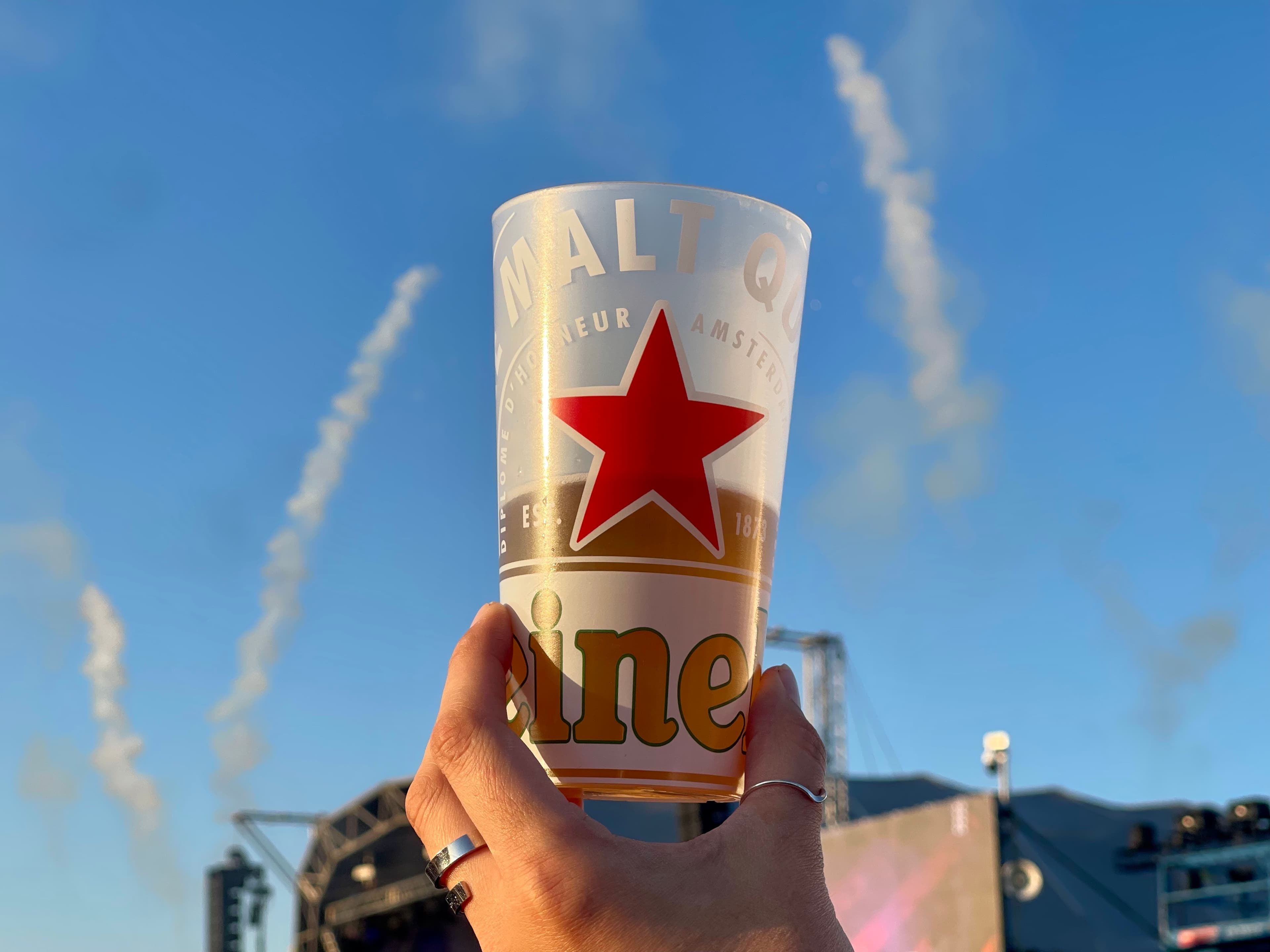
The Home Office's pools of conditions, its good practice companion to the statutory guidance under section 182 of the Licensing Act 2003, includes model conditions that no glassware shall be given to customers on the premises and that safer alternatives should be considered where crime, disorder or public safety are at stake. It names the terraces of outdoor sports grounds, indoor sports events such as boxing, and the showing of televised live sporting events as the situations where such a condition may be appropriate, and for closely seated audiences it limits drinks to plastic and paper containers. That is why the pint at a stadium or festival comes in a polypropylene cup.
A first-time visitor to a football ground or a festival sometimes asks why the pint is plastic. The answer is not in the bar's accounts. It is in the premises licence, and in a set of model conditions the Home Office published to help licensing authorities write it.
Where the conditions come from
Licensing in England and Wales runs under the Licensing Act 2003, and the Home Office issues statutory guidance under section 182 of that Act, most recently in a February 2026 edition. That guidance is built around the licensing objectives in the Act, among them the prevention of crime and disorder and public safety, and expects conditions on a licence to be appropriate to the premises.
Alongside the statutory text sits a good practice document, the Supporting Guidance on Pools of Conditions. It states on its first page that it broadly reflects but is not the statutory guidance, and it refers to revised statutory guidance laid before Parliament on 25 April 2012. It is a model kit, not a rulebook. But it is the kit licensing authorities and applicants draw on, and its section on glassware is where the plastic pint begins.
What the model conditions say about glass
Under the heading Restricting access to glassware, the document is blunt about the risk: traditional glassware and bottles may be used as weapons or result in accidents and can cause very serious injuries. It offers a condition in clear terms: no glassware, whether open or sealed, shall be given to customers on the premises whether at the bar or by staff service away from the bar. A second version refuses admission to customers carrying glassware while the premises are open to the public.
Then, under Alternatives to traditional glassware, it explains when that condition fits. Consideration should be given to conditions requiring the use of safer alternatives to prevent crime and disorder and in the interests of public safety. Location and style of the venue and the activities carried on there are what decide it. The examples it gives are the ones every event bar will recognise: the use of glass containers on the terraces of some outdoor sports grounds may obviously be of concern, similar concerns may apply to indoor sports events such as boxing matches, and the use of alternatives to traditional glassware may be an appropriate condition during the showing of televised live sporting events, such as international football matches, when there may be high states of excitement and emotion.
The public safety part of the document repeats the measure in a list alongside door supervisors and bottle bans: requirements to use plastic or toughened glass containers. And for theatres, cinemas, concert halls and similar places, it offers the tightest version of all: no drinks shall be sold to, or be consumed by, a closely seated audience except in plastic and paper containers.
What the football rules add
The Sports Grounds Safety Authority's page on alcohol at football grounds describes the separate regime under the Sporting Events (Control of Alcohol etc.) Act 1985, which applies in England and Wales. It prevents the consumption of alcohol within view of the playing area during a restricted period running from fifteen minutes before the start of the event to fifteen minutes after its end, and prevents drunken entry. That Act is about where and when alcohol is drunk at designated matches. The vessel it is drunk from is a licensing condition question, which is where the Home Office model conditions come back in.
What it means for the cup you order
A condition written as no glassware on the premises leaves the venue choosing between paper, plastic and toughened glass. For a bar pouring draught beer, the choice narrows further, because the cup has to be a legal measure: our guide to pint to line and pint to brim markings covers the capacity marks a cup needs to serve a pint.
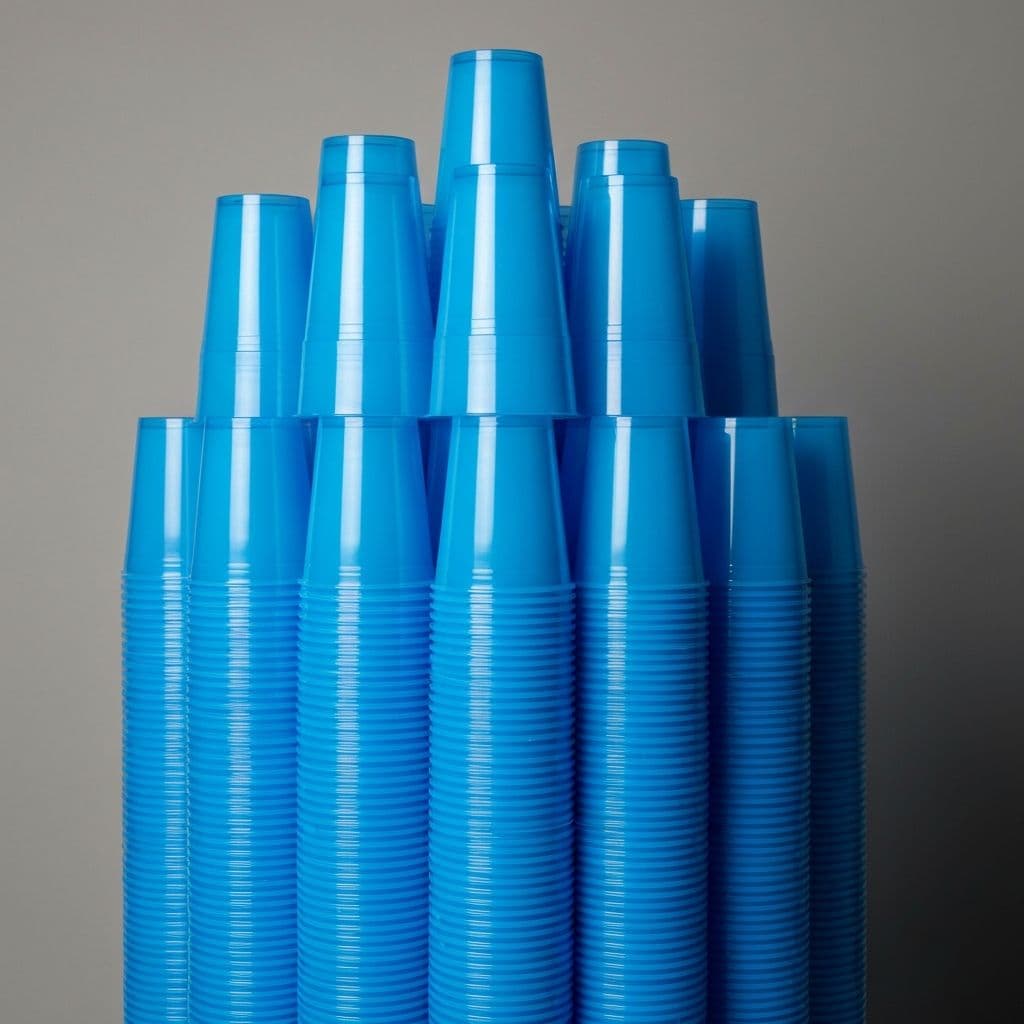
That combination, no glass plus a legal pint, is the reusable polypropylene event cup. The reusable event cups on this site are listed as BPA-free and dishwasher safe, in pint-to-line, pint-to-brim and half-pint sizes, and the hire page describes them as shatterproof; and for a season of fixtures or a stadium that does not want to own stock, the cup hire service supplies the same cups with washing and collection handled.
The plastic pint, in other words, is the licence talking. The only choice left is whose logo is on it.
Frequently Asked Questions
Why do stadiums serve beer in plastic cups?
Because their premises licence commonly carries a condition restricting glassware. The Home Office's model conditions say traditional glassware and bottles may be used as weapons or cause serious injuries, and name the terraces of outdoor sports grounds among the places where glass may obviously be of concern.
Is it a legal requirement to use plastic cups at events?
There is no blanket law. The requirement comes from conditions on the individual premises licence, which the Home Office guidance expects to be appropriate to the venue and its activities. Where a no-glassware condition applies, plastic, paper or toughened glass are the alternatives the guidance lists.
Do televised football matches change the glassware rules in a pub?
The Home Office model conditions say the use of alternatives to traditional glassware may be an appropriate condition during the showing of televised live sporting events such as international football matches, when there may be high states of excitement and emotion. Whether it applies depends on the licence.
Can a plastic cup be used to sell a legal pint?
Yes, if it is a capacity measure of the quantity. Pint-to-line and pint-to-brim cups carry the markings needed to serve draught beer; the markings guide on this site explains which one an event needs.
How we checked this article
Checked on 1 September 2026. The Home Office's Supporting Guidance, Pools of Conditions, downloaded from GOV.UK's publishing service and read in full, for the model conditions on restricting glassware, on alternatives to traditional glassware at sports grounds and during televised sporting events, and on closely seated audiences; the document states that it reflects but is not the statutory guidance and refers to revised statutory guidance laid on 25 April 2012, so the article dates it and presents it as good practice guidance. The revised statutory guidance under section 182 of the Licensing Act 2003, February 2026 edition, read on GOV.UK to confirm that the current edition does not itself prescribe glassware conditions and to take the licensing objectives from it. The Sports Grounds Safety Authority's page on alcohol at football grounds for the restricted period under the Sporting Events (Control of Alcohol etc.) Act 1985.
- Published by
- Branded Cups Ltd
- Sources last checked
- 2026-09-01