TL;DR
The Revised Guidance issued under section 182 of the Licensing Act 2003, February 2026, tells licensing authorities that conditions must be tailored to the premises and that standardised conditions ignoring those aspects should be avoided, naming polycarbonate drinking vessels as an example of something that should not be imposed as a general policy for an area. In the narrower context of a summary review over serious crime or serious disorder, it separately recognises that the risk of injury caused by glass can be reduced by requiring a safer alternative, and cautions that replacing all glassware is a step with real cost that may be disproportionate as an interim measure. So plastic drinkware can be a licence condition within that process, on the facts of a specific premises.
Ask why a stadium serves a pint in plastic and the answer is usually safety. Ask where the obligation comes from and it gets more interesting, because the Home Office guidance says two things that pull in different directions, and both are useful to a venue.
Where the guidance sits
Section 182 of the Licensing Act 2003 requires the Secretary of State to issue guidance to licensing authorities on the discharge of their functions. The current edition is dated February 2026. Section 4 of the 2003 Act requires a licensing authority to have regard to it, and an authority can depart from it if it has good reason and gives full reasons; it is not a rule that lands directly on a bar. That distinction matters for what follows.
The part that says yes
Paragraph 12.9 sits in the chapter on summary reviews, the process under sections 53A to 53D of the 2003 Act that a licensing authority follows when the police say a premises is associated with serious crime or serious disorder, not in the general chapter on conditions. Within that process, it says the power could, where appropriate, "be used to reduce the risk of injury caused by glass by requiring the adoption of a safer alternative". It adds immediately that the aim of the powers is to provide a selective tool, to be used proportionately, and asks that this be borne in mind.
So within a summary review, a condition requiring plastic or another safer alternative is something the guidance contemplates. Outside that process, the guidance does not set out an equivalent power in these terms.
The part that says not like that
Paragraph 10.10 is the passage worth knowing by heart if you run a venue in an area where a blanket policy is being discussed. It states that "the 2003 Act requires that licensing conditions should be tailored to the size, type, location and characteristics and activities taking place at the premises concerned", that "conditions should be determined on a case-by-case basis and standardised conditions which ignore these individual aspects should be avoided", and then gives the example outright: "conditions should not be used to implement a general policy in a given area such as the use of CCTV, polycarbonate drinking vessels or identity scanners where they would not be appropriate to the specific premises".
Polycarbonate drinking vessels are named, in the guidance, as an example of what should not be imposed across an area regardless of the premises.
And the part about cost
Paragraph 12.16 goes further on interim steps taken pending a full review. It says very careful consideration is needed for steps "which would require significant cost or permanent or semi-permanent adjustments to premises which would be difficult to remove", and names the example: "making structural changes, installing additional CCTV or replacing all glassware with safer alternatives may be valid steps, but might be disproportionate if they are not likely to be deemed necessary following the full review".
Replacing all glassware is treated in the guidance as a real cost, not a formality. That is a fair description of what it is.
What a venue does with this
Three practical readings, and none of them is legal advice on your own licence, which says what it says.
If a condition is proposed for your premises during a summary review triggered by the police over serious crime or serious disorder, paragraph 12.9 speaks to that and the argument is about proportion rather than principle. Outside that process, a licensing authority still has to show why a plastic-only condition is appropriate for your specific premises rather than a general policy for the area. If a condition is proposed because it is being applied across a town centre, paragraph 10.10 is the passage that speaks to that. And if it arrives as an interim step, paragraph 12.16 recognises the cost of a full glassware change explicitly.
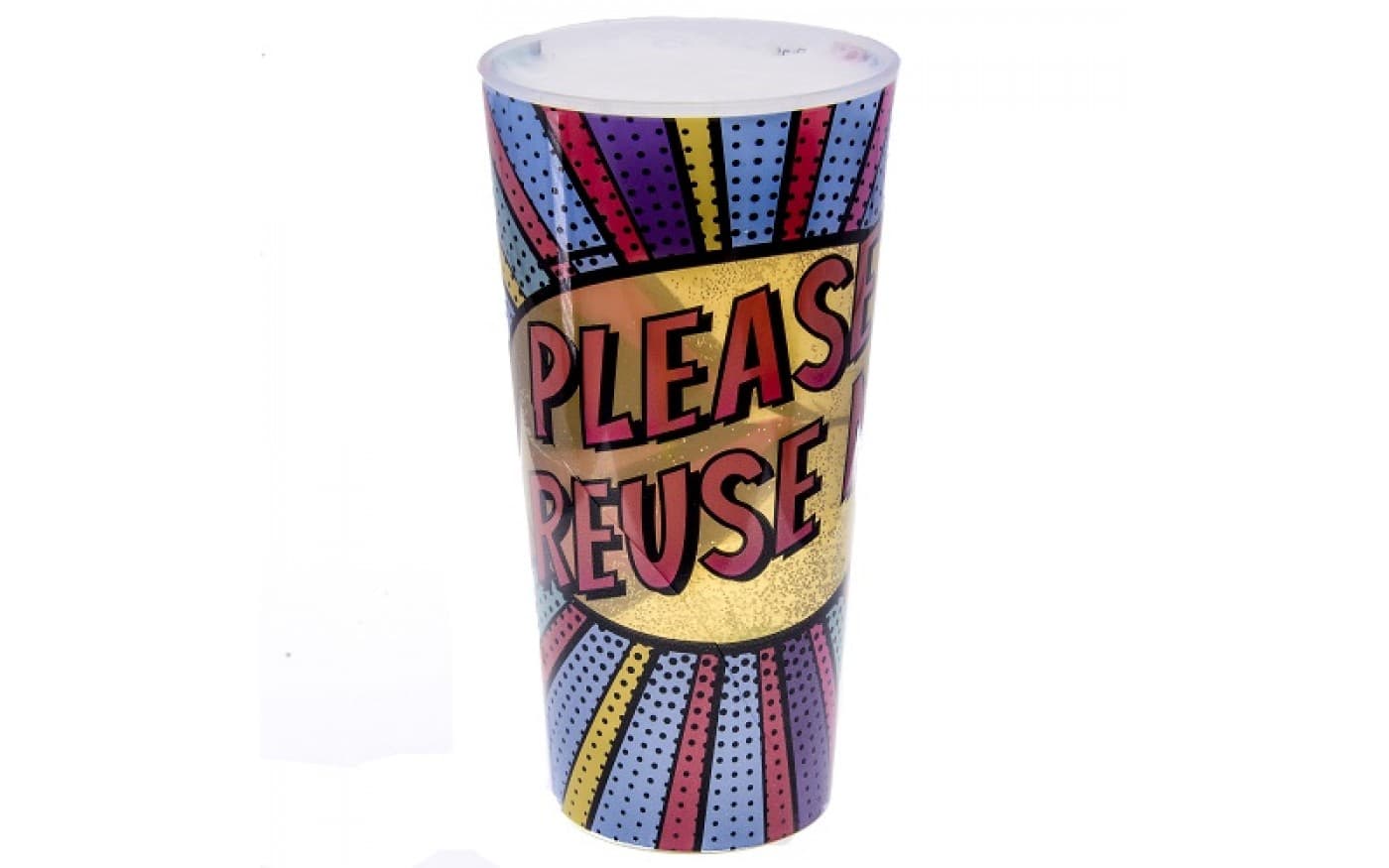
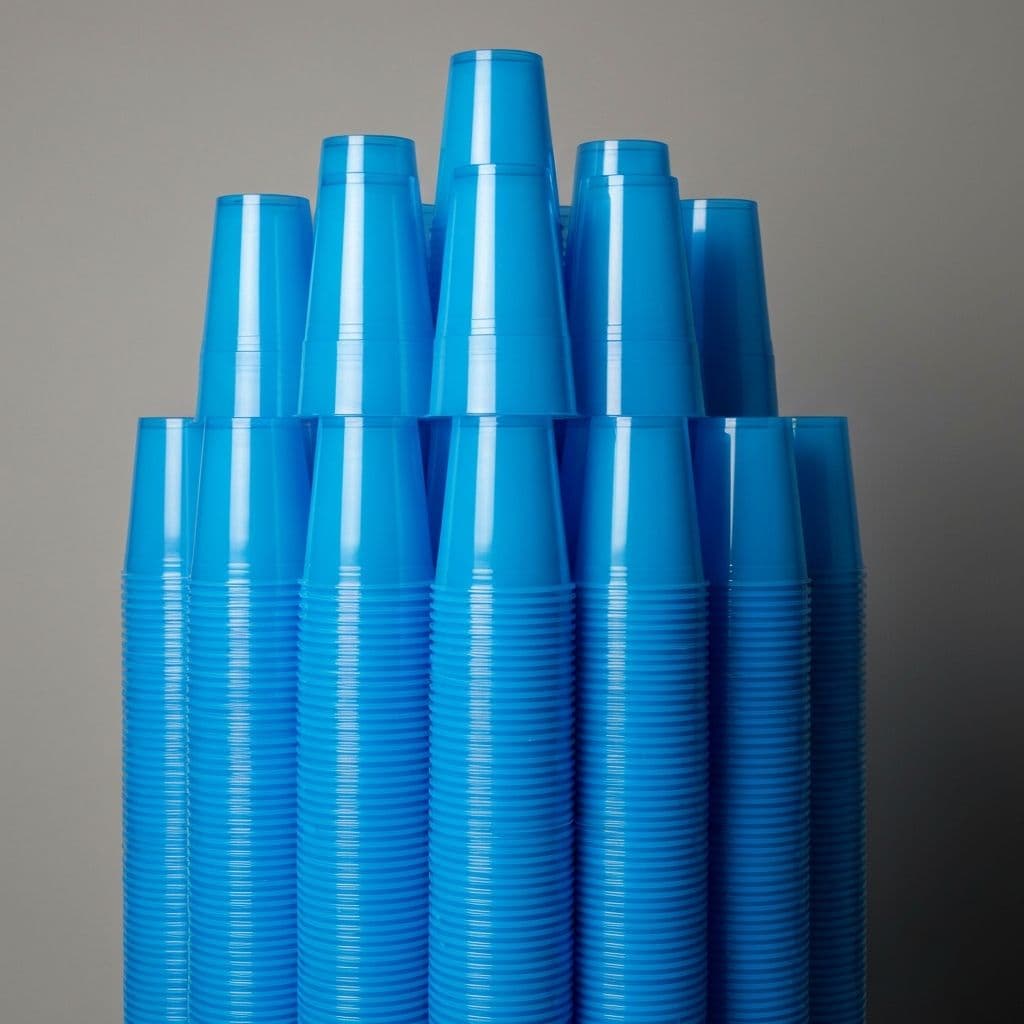
Whichever way it lands, the operational question is the same: what do you pour into. A reusable pint or half pint cup can be one way to meet a safer-alternative condition, since the guidance does not name a product, and it is washed and served again rather than binned, which is what separates it from a single-use plastic glass on cost across a season. The markings a cup carries when the drink is measured in it are a separate legal question, covered in our article on pint to line and pint to brim cups. For an event that would rather not own or wash the stock, the same cups are available to hire.
If a licensing conversation is coming and you want the numbers before it does, ask for a quote with your capacity and your service pattern.
Frequently Asked Questions
Can a premises licence require plastic glasses?
The February 2026 section 182 guidance recognises at paragraph 12.9, in the chapter on summary reviews for premises linked to serious crime or serious disorder, that the power could, where appropriate, be used to reduce the risk of injury caused by glass by requiring the adoption of a safer alternative, while stressing that the powers are a selective tool to be used proportionately.
Can a council apply a plastic-only rule across a whole area?
Paragraph 10.10 of the guidance says conditions should be determined case by case and that standardised conditions ignoring the individual aspects of a premises should be avoided, and it names polycarbonate drinking vessels as an example of something that should not be used to implement a general policy in a given area where it would not be appropriate to the specific premises.
Is the section 182 guidance binding on my venue?
Section 182 of the Licensing Act 2003 requires guidance to be issued to licensing authorities on the discharge of their functions. It shapes how an authority approaches a decision. What binds a venue is the set of conditions written on its own licence.
What does the guidance say about the cost of switching glassware?
Paragraph 12.16 says very careful consideration is needed for interim steps requiring significant cost or adjustments that would be difficult to remove, and gives replacing all glassware with safer alternatives as an example that may be valid but might be disproportionate as an interim measure.
Do reusable cups satisfy a safer alternative condition?
The guidance describes the requirement as the adoption of a safer alternative rather than naming a product. A reusable plastic cup is one such alternative and, unlike a single-use one, is washed and served again. Check the wording on your own licence, which is what applies to your premises.
How we checked this article
Checked on 6 September 2026 against the Revised Guidance issued under section 182 of the Licensing Act 2003, February 2026 edition, downloaded from GOV.UK as a PDF and read directly rather than through a summary. The passages quoted are paragraph 10.10 on proportionality and standardised conditions, paragraph 12.9 on reducing the risk of injury caused by glass, and paragraph 12.16 on interim steps that carry significant cost. Paragraph numbers and wording are taken from that document. The guidance is statutory guidance to licensing authorities, not a rule binding a venue directly, and this article says so rather than presenting it as a prohibition. Nothing here is legal advice on a particular licence: the conditions on a licence are the ones written on it.
- Published by
- Branded Cups Ltd
- Sources last checked
- 2026-09-06