
TL;DR
Under the Consumer Contracts (Information, Cancellation and Additional Charges) Regulations 2013, a consumer who enters into a distance contract can cancel without giving a reason, and for a sales contract the cancellation period ends 14 days after the goods come into the consumer's physical possession. Regulation 28(1)(b) says the cancellation provisions do not apply to the supply of goods that are made to the consumer's specifications or are clearly personalised. A consumer is an individual acting for purposes wholly or mainly outside their trade, business, craft or profession, so a company buying printed cups for its staff or customers is not one. The regulations extend to the United Kingdom. In our reading, cups printed with a customer's artwork or text are within the exception, while blank stock from the same order is not. The regulations do not say what happens to rights for faulty goods, which sit elsewhere.
A couple who order printed cups for their wedding through a website are consumers buying at a distance, and the 14-day right to cancel that normally follows has an exception for personalised goods. The rules sit in the Consumer Contracts (Information, Cancellation and Additional Charges) Regulations 2013. This article sets out the cancellation right, the exception for personalised goods, who counts as a consumer, and what the regulations leave to other law. It reports the regulations as they read, and it does not cover goods that arrive faulty.
Who the regulations protect
Regulation 4 defines a consumer as an individual acting for purposes which are wholly or mainly outside that individual's trade, business, craft or profession, and a trader as a person acting for purposes relating to their trade, business, craft or profession. A limited company that orders cups for staff, a bar that orders cups for its customers and a sole trader who buys them for their market stall are not consumers on that wording. In our reading, a bride and groom ordering for their wedding, or someone ordering for a family party, are consumers. The mixed case, such as an individual who buys for a village fair run by a charity, turns on the purpose of the purchase, and the regulations do not list examples.
The cancellation right
Under regulation 29, a consumer may cancel a distance or off-premises contract at any time in the cancellation period without giving any reason and without incurring liability except in the circumstances the regulation lists. A distance contract, under regulation 5, is a contract concluded between a trader and a consumer under an organised distance sales or service-provision scheme without the simultaneous physical presence of the two, with the exclusive use of one or more means of distance communication up to and including the time the contract is concluded. In our reading, an order placed through a website or by email fits that wording.
Under regulation 30(3), for a sales contract the cancellation period ends at the end of 14 days after the day on which the goods come into the physical possession of the consumer or a person other than the carrier identified by the consumer. If an order is delivered in several parts, regulation 30 sets the period from the last delivery in the cases it lists.
The exception for personalised goods
Regulation 28(1) lists contracts to which the cancellation provisions do not apply. Paragraph (b) is the supply of goods that are made to the consumer's specifications or are clearly personalised. The regulations do not define either phrase, and they do not say when in the process the exception starts to bite. In our reading, it turns on the nature of the goods and not on whether production has begun.
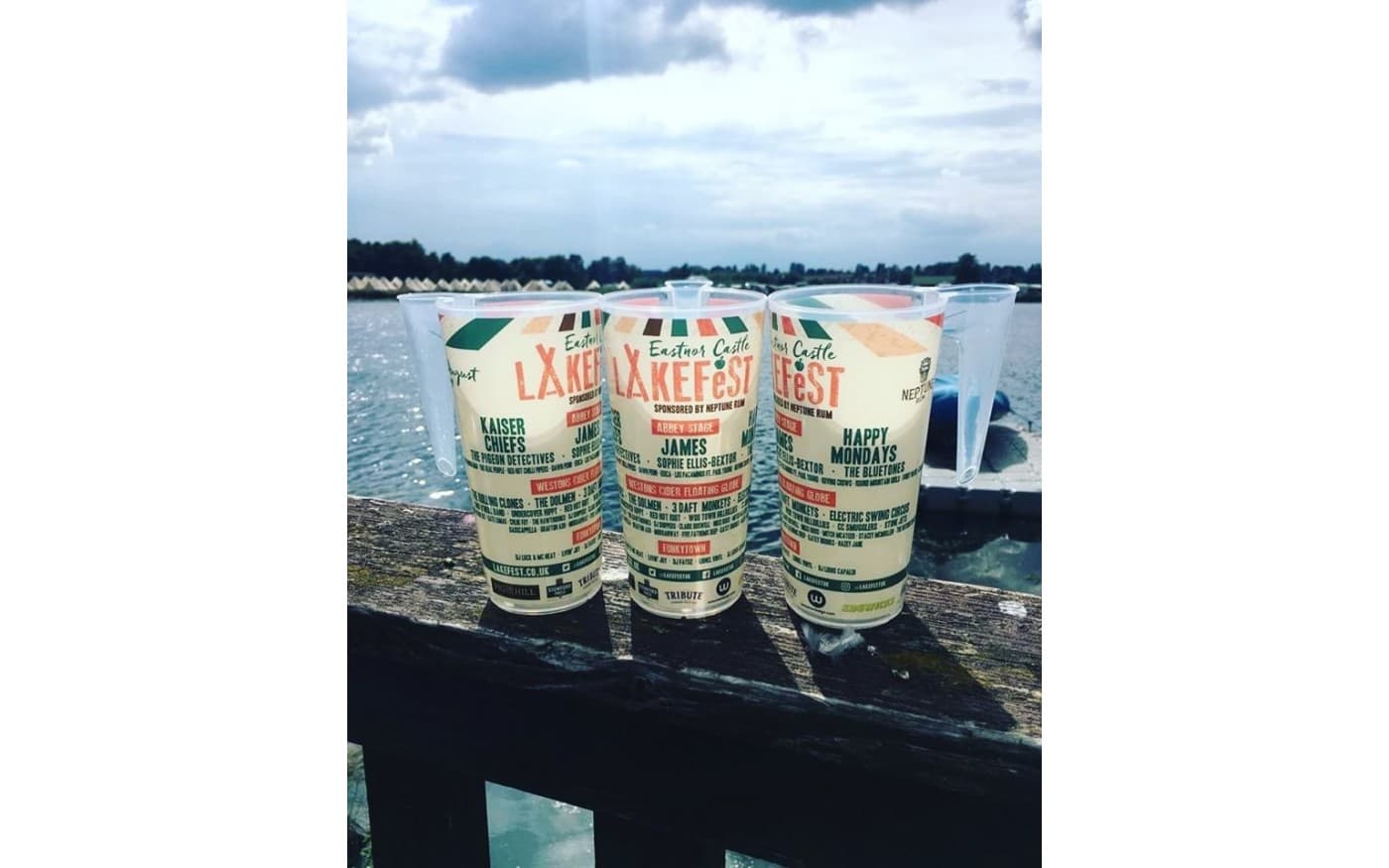
In our reading, a cup printed with a customer's artwork, names or dates is clearly personalised, and a standard blank cup from the same order is not. An order that mixes the two would then leave the blank cups cancellable and the printed ones not. A standard cup printed with the seller's own design is a different case again, and the regulations do not settle it, so a seller or buyer in doubt should ask for the position in writing before the order is placed.
What a seller's policy says
The returns and cancellations page of this site says that customers may cancel eligible orders under applicable distance selling rules and, once delivered, must keep goods in reasonable condition and return them as soon as possible. It says custom printed, personalised, made-to-order or otherwise bespoke products are normally excluded from cancellation once production has started, unless they are faulty or not supplied as agreed. The page speaks of the start of production and the regulation speaks of the nature of the goods, so the two are not worded the same way, and in our reading the regulation is the rule that governs where they differ.
Checking before print
Because the right to cancel does not extend to clearly personalised goods, the practical safeguard sits before the order. The sample cup page says samples are not custom printed with your artwork and that free on-screen 3D visuals of a bespoke design are included, and the promotional cups page says artwork can be sent to the team to check before production. For a printed run, those are the points before print at which a buyer can check the work, and a buyer who wants a physical check of the cup itself can ask for a sample first. Our guide to cup artwork, logos and permission covers what to settle about artwork.
What the regulations leave out
This article does not cover the information a trader must give before the contract, the refund rules after a cancellation, or what a consumer can do when goods are faulty or not as described. Those sit in other provisions and in other legislation, and none of them was read for this guide. The regulations are also not the only law that applies to a sale to a consumer.
Where this stands
This was checked on 6 October 2026. The regulations extend to the United Kingdom. Changes made by the Digital Markets, Competition and Consumers Act 2024 are shown as yet to be applied and concern subscription contracts, which are not what a cup order is. If you are planning a printed run, ask for a quote and put the cancellation position in writing.
Frequently Asked Questions
Can a consumer cancel an order for custom printed cups?
Regulation 28(1)(b) of the Consumer Contracts Regulations 2013 says the cancellation provisions do not apply to goods made to the consumer's specifications or clearly personalised. In our reading, cups printed with a customer's own artwork or text fall within that exception, and the regulations do not define either phrase.
How long is the cancellation period for a distance sale of goods?
Under regulation 30(3), the period for a sales contract ends at the end of 14 days after the day on which the goods come into the physical possession of the consumer or a person other than the carrier identified by the consumer. Regulation 30 has other rules where goods are delivered in parts.
Does the right to cancel apply to a company or a sole trader?
No. Regulation 4 defines a consumer as an individual acting for purposes which are wholly or mainly outside their trade, business, craft or profession, so a business buyer is not a consumer under the regulations.
Does the personalised goods exception depend on production having started?
The regulation does not mention production. It turns on whether the goods are made to the consumer's specifications or are clearly personalised. A seller's own policy may use different wording, and in our reading the regulation governs where they differ.
Does this cover faulty cups?
No. The cancellation provisions are separate from a consumer's rights where goods are faulty or not as described. Those sit in other law, which this article does not cover.
How we checked this article
Checked on 6 October 2026. Regulations 4, 5, 28, 29 and 30 of the Consumer Contracts (Information, Cancellation and Additional Charges) Regulations 2013 (S.I. 2013/3134) were read in revised form on legislation.gov.uk. Each extends to the United Kingdom and is shown as up to date with all changes known to be in force on or before 3 to 5 October 2026. The pages list changes yet to be applied by section 279 of the Digital Markets, Competition and Consumers Act 2024, which was read on the same site and is marked prospective and not in force at Royal Assent: it adds a definition of subscription contract to regulation 5 and excludes subscription contracts from Parts 2 and 3 once other sections of that Act are in force. Those changes concern subscription contracts, and the article does not rely on them. The article reports the regulations as they read and does not cover the information the trader must give before the contract, the refund timetable, or the rights a consumer has when goods are faulty or not as described, which sit in other provisions and in the Consumer Rights Act 2015, none of which was read. Whether a given printed cup is clearly personalised is a question of fact the regulations do not answer, and the article says so. This site's returns and cancellations policy page, read on 6 October 2026, was used for what the seller's own policy says. Product details come from this site's sample cup and promotional cups pages, read on 6 October 2026: the sample page says samples are not custom printed with your artwork and that free on-screen 3D visuals of a bespoke design are included, and the promotional cups page says orders can be checked by sending artwork to the team before production; the article repeats only that. No price, lead time or quantity of a cup is repeated.
- Published by
- Branded Cups Ltd
- Sources last checked
- 2026-10-06
Sources
- Consumer Contracts (Information, Cancellation and Additional Charges) Regulations 2013, regulation 28 (limits of application: circumstances excluding cancellation)
- Consumer Contracts (Information, Cancellation and Additional Charges) Regulations 2013, regulation 29 (right to cancel)
- Consumer Contracts (Information, Cancellation and Additional Charges) Regulations 2013, regulation 30 (normal cancellation period)
- Consumer Contracts (Information, Cancellation and Additional Charges) Regulations 2013, regulation 4 (consumer and trader)
- Consumer Contracts (Information, Cancellation and Additional Charges) Regulations 2013, regulation 5 (other definitions)
- Digital Markets, Competition and Consumers Act 2024, section 279 (consequential amendments, prospective)
- Branded Cups, Returns and cancellations policy
- Branded Cups, Sample cup
- Branded Cups, Promotional cups