TL;DR
Regulation 4 of the Manual Handling Operations Regulations 1992 requires each employer, so far as reasonably practicable, to avoid the need for employees to do manual handling that involves a risk of injury. Where that is not reasonably practicable, the employer must make a suitable and sufficient assessment, reduce the risk of injury to the lowest level reasonably practicable, and give employees general indications and, where reasonably practicable, precise information on the weight of each load and the heaviest side of any load whose centre of gravity is not central. The Health and Safety Executive says the law sets no specific weight limits. The Regulations extend to England, Wales and Scotland.
A reusable cup scheme moves a lot of plastic by hand. Pallets come off a lorry, crates go to the bars, used cups come back in bins, and each step is a lift, a push or a carry for someone on the team. Manual handling at work in Great Britain is governed by the Manual Handling Operations Regulations 1992, and the Health and Safety Executive publishes a guide on how employers should meet them. This article sets out what regulation 4 and the guide say and how cup logistics read against them. It covers the duties of employers. Our guide to washing reusable cups between events covers the cleaning side of the same loop.
What the Regulations require
Regulation 4(1) of the 1992 Regulations sets out an employer's duties in two routes: avoid the handling or, where that is not reasonably practicable, take the steps in paragraph (b). First, so far as is reasonably practicable, to avoid the need for employees to undertake any manual handling operations at work that involve a risk of their being injured. Second, where that is not reasonably practicable, to make a suitable and sufficient assessment of those operations, having regard to the factors in Schedule 1, and to take appropriate steps to reduce the risk of injury to the lowest level reasonably practicable. Third, and only where avoiding is not reasonably practicable, to take appropriate steps to give those employees general indications and, where it is reasonably practicable, precise information on the weight of each load and the heaviest side of any load whose centre of gravity is not positioned centrally. Regulation 4(2) says the assessment is to be reviewed if there is reason to suspect it is no longer valid or there has been a significant change in the operations.
The Regulations are marked as extending to England, Wales and Scotland. Northern Ireland is outside what was read.
What the HSE guide adds
The Executive's guide defines manual handling as transporting or supporting a load by hand or bodily force, including lifting, putting down, pushing, pulling, carrying or moving loads. It sets the three steps as avoid, assess and reduce. It says the weight of a load is important but the law does not set specific weight limits.
On avoiding, it suggests redesigning the task so the load is not moved, or automating or mechanising the process, and gives a pallet truck, a lift truck and a hoist among its examples. On assessing, it says to consider the task, the load, the working environment and individual capability, and lists the distance a load is carried, how often the task is done, the weight and nature of the load, cramped work areas, poor floor surfaces, poor lighting and extremes of temperature. It says some tasks are low risk and do not need formal assessment, and it points to the Executive's assessment tools. It also says to consult the workforce.
On reducing, it says to provide mechanical help where possible, for example a sack trolley or hoist, and where that is not reasonably practicable to look at the task, the load and the environment. Its list includes making the load smaller or lighter, breaking up large consignments into smaller loads, modifying the workplace to reduce carrying distances and the need to lift from floor level, and avoiding excessive work rates and tight deadlines. On training, it says training can raise awareness but will not ensure safe manual handling on its own, and that the operation should first be designed to be as safe as reasonably practicable.
Where cup logistics fit in
Neither source names cups, crates or bins, and the guide mentions pallets only as a pallet truck. What follows is our reading.
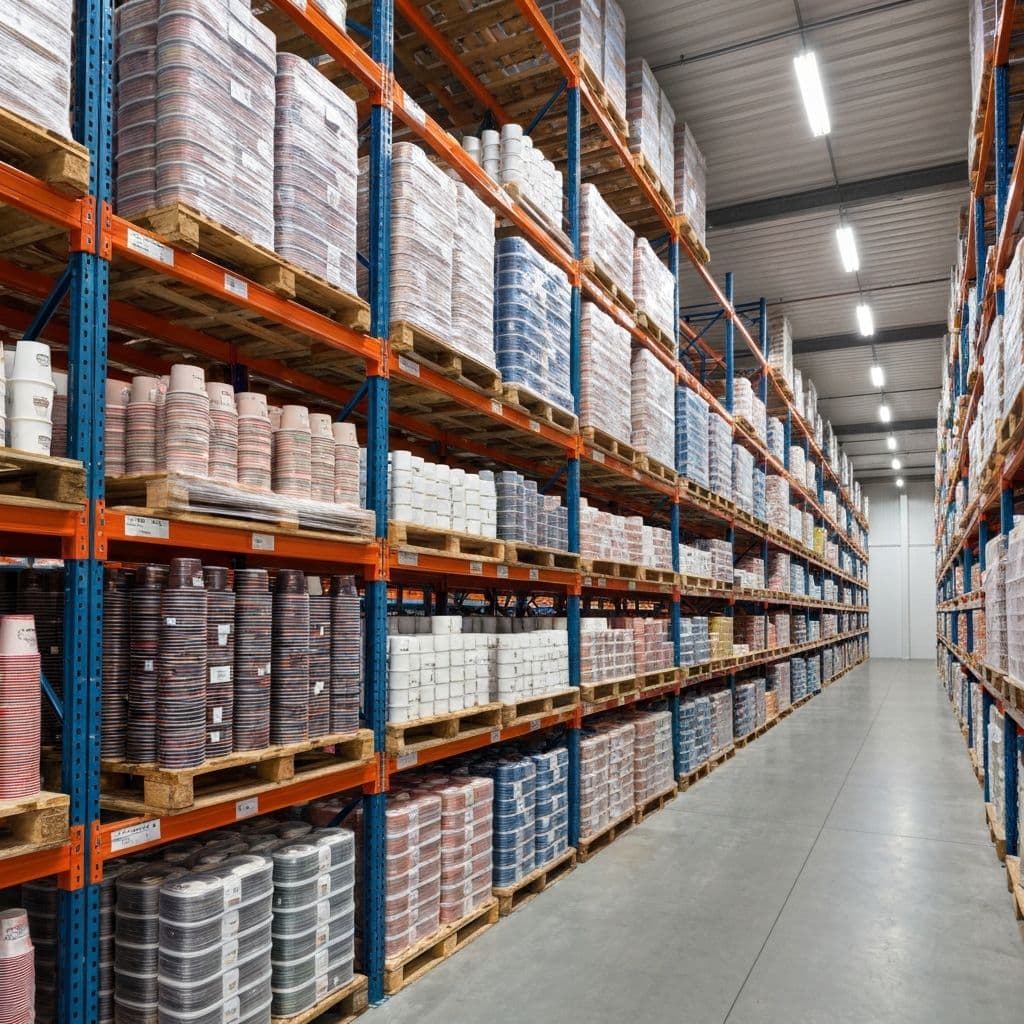
An event that moves cups has several handling steps that look to us like the operations the Regulations describe: unloading pallets, carrying crates from a store to the bars, moving full bins to a collection point, and loading outbound. Each fits the guide's list of factors, because distance, frequency, floor surface and lighting at a field or car park are all things the guide names. The assessment is the employer's, and the guide's point that some tasks are low risk applies to a small stall as much as to a stadium.
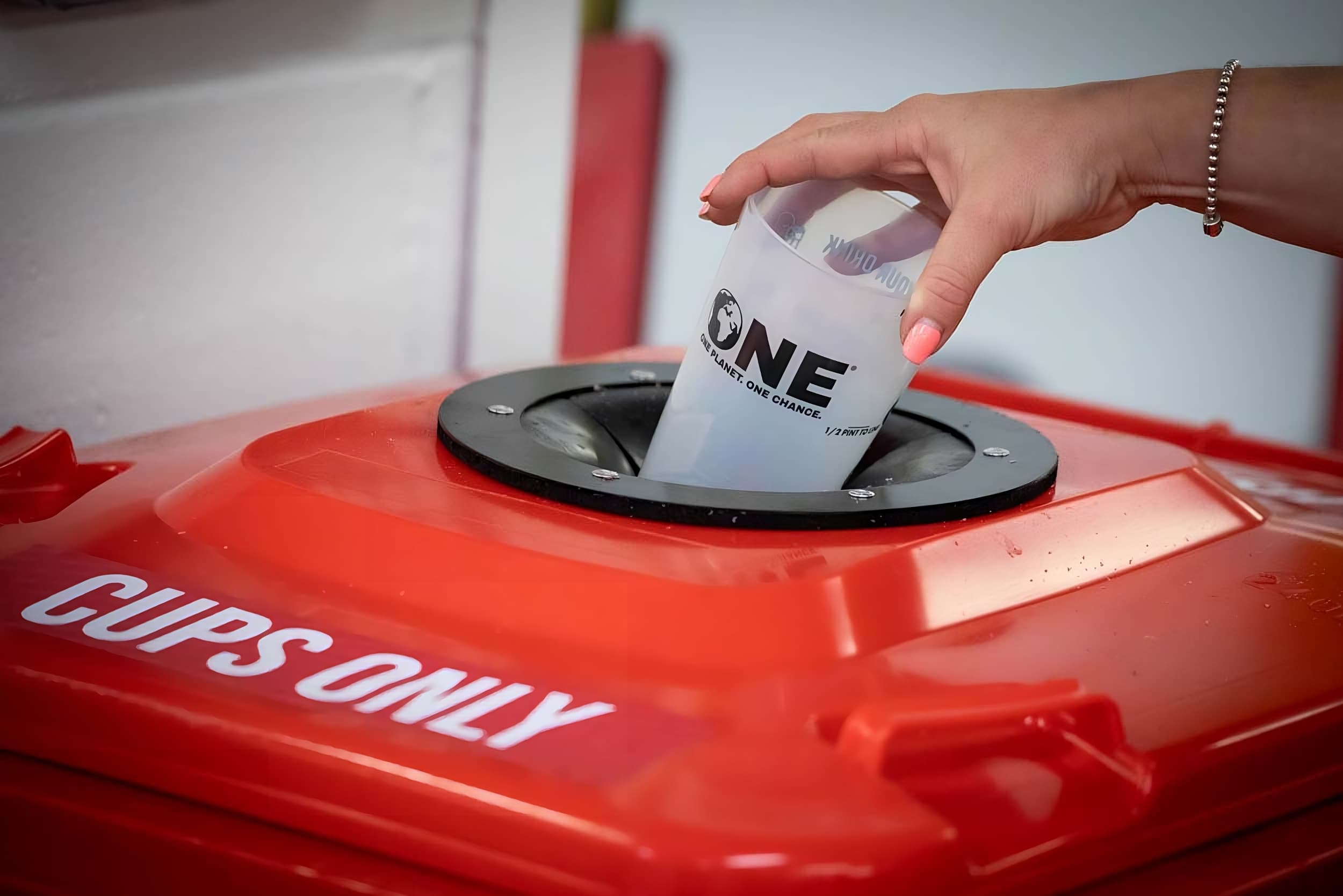
The guide's options map onto cup logistics in plain ways. Mechanical help is a pallet truck or a sack trolley. A smaller load is a smaller crate. A shorter carry is a bar stock point placed near the bar. The cup hire page says cups are collected and serviced so that the event does not need to wash them on site, and describes rental cup bins as mobile bin systems with drip trays for clean collection. In our reading, wheeled bins are a handling aid in the sense of the guide, though the page does not describe them that way.
The duty on weight information is one a supplier's paperwork can help with. Where avoiding the handling is not reasonably practicable, regulation 4(1)(b)(iii) asks for general indications and, where reasonably practicable, precise information on the weight of each load. An organiser can ask the supplier for the weight of a pallet or crate it will be handling, and in our reading could note it in the assessment.
Who the duties cover
Regulation 4 is a duty on employers in relation to their employees. The sources read do not say whether a charity or community event's volunteers are treated as employees, and an organiser relying on volunteers should check the position with the Health and Safety Executive. The sources also do not address the self-employed.
On the product side
For an event that wants a managed loop of delivery, wash and collection rather than its own stock, the cup hire page describes that service. The reusable event cups page lists cups for events, festivals and venues for those who prefer to own stock, and a quote can be asked for with the site layout and the number of bars.
Where this stands
This was checked on 26 October 2026. Regulation 4 is shown with no known outstanding effects, and the Executive's pages carry update dates between 2024 and 2025. Neither source mentions cups.
Frequently Asked Questions
Do manual handling rules apply to moving crates of cups at an event?
Regulation 4 of the Manual Handling Operations Regulations 1992 applies to manual handling operations at work that involve a risk of injury. Neither it nor the HSE guide names cups, so in our reading the same duties apply to cup crates, pallets and bins as to any other load.
Is there a maximum weight an employee can lift?
The HSE guide says the weight of a load is important, but the law does not set specific weight limits.
What must an employer do about weight information?
Where avoiding the handling is not reasonably practicable, regulation 4(1)(b)(iii) requires appropriate steps to give general indications and, where reasonably practicable, precise information on the weight of each load and the heaviest side of any load whose centre of gravity is not positioned centrally.
What does the HSE suggest to reduce the risk?
Its guide suggests mechanical help such as a sack trolley or hoist, making loads smaller or lighter, breaking up large consignments, reducing carrying distances and avoiding excessive work rates.
Do the Regulations apply in Northern Ireland?
They are marked as extending to England, Wales and Scotland on legislation.gov.uk. Northern Ireland has its own rules, which were not read.
How we checked this article
Checked on 26 October 2026 (sources first read on 11 October 2026 and re-opened). Regulation 4 of the Manual Handling Operations Regulations 1992 (S.I. 1992/2793) was read in revised form on legislation.gov.uk. It is marked as extending to England, Wales and Scotland and is shown with no known outstanding effects. The Health and Safety Executive guide Manual handling at work was read on hse.gov.uk, pages 1 to 5 and 7 (overview, avoid, assess, reduce, training and the law); its pages show updates dated between 25 March 2024 and 1 April 2025, and the article reports their content as the Executive's guidance and not as the Regulations. The guide's page on good handling technique and the Executive's tools and leaflets were not read. The article covers the duties of employers. It does not cover Northern Ireland, where the Regulations do not extend and which has its own rules that were not read, whether volunteers are treated as employees, or the position of the self-employed. Applications to cups, crates, pallets and bins are marked as our reading, because neither source names them. Product details come from this site's cup hire page, read on 26 October 2026, which says cups are collected and serviced so that the event does not need to wash them on site, and describes rental cup bins as mobile bin systems with drip trays for clean collection; the article repeats only that. No price, lead time, weight or quantity of a cup is repeated.
- Published by
- Branded Cups Ltd
- Sources last checked
- 2026-10-26
Sources
- Manual Handling Operations Regulations 1992, regulation 4 (duties of employers)
- HSE, Manual handling at work: overview
- HSE, Manual handling at work: assess manual handling you can't avoid
- HSE, Manual handling at work: reduce the risk of injury
- HSE, Manual handling at work: avoid hazardous manual handling
- HSE, Manual handling at work: training
- Branded Cups, Reusable cup hire