TL;DR
The General Product Safety Regulations 2005 define a product as one intended for consumers or likely to be used by them, supplied or made available whether for consideration or not in the course of a commercial activity, so a free promotional cup can be in scope. A producer includes the manufacturer and any other person presenting himself as the manufacturer by affixing his name, trade mark or other distinctive mark. Producers must place only safe products on the market, give consumers relevant information, and mark the product or packaging with their name and address and a reference or batch, unless that is not reasonable. The Regulations do not say whether a logo on a promotional item amounts to presenting yourself as the manufacturer. A consultation on a new core product safety framework closed on 23 June 2026.
A cup given away costs nothing at the till, and product safety law can still apply to it. The General Product Safety Regulations 2005 apply in Great Britain to consumer products supplied "whether for consideration or not", and they contain a definition of producer that reaches further than the factory. If your logo is the only mark on a promotional cup, it is worth knowing what that definition says and what it leaves open.
Is a free cup a product?
Regulation 2 defines a product as one which is intended for consumers or likely, under reasonably foreseeable conditions, to be used by consumers even if not intended for them, and which is supplied or made available, whether for consideration or not, in the course of a commercial activity. A cup handed to members of the public at an event, at a launch or across a shop counter is the clear case on the wording of that definition. Whether a cup given only to business contacts is in scope depends on the words likely to be used by consumers, which is a question for the business and its adviser.
Regulation 3 sets the boundary with other rules. The Regulations apply to a product in so far as there are no specific provisions with the same objective in a relevant enactment, and where a product is subject to specific safety requirements they apply only to the aspects and risks those requirements do not cover. Food contact law sets its own requirements for what a cup transfers to a drink: article 3 of assimilated Regulation (EC) No 1935/2004 says materials and articles must be manufactured in compliance with good manufacturing practice so that, under normal or foreseeable conditions of use, they do not transfer their constituents to food in quantities that could endanger human health, bring about an unacceptable change in the composition of the food or bring about a deterioration in its organoleptic characteristics. Our guide to food safe reusable plastic cups covers that regime. Regulation 3 is the reason to ask which risks that regime covers and which are left to the Regulations.
Who is the producer?
Regulation 2 gives three limbs. The first is the manufacturer of a product when established in the United Kingdom, and any other person presenting himself as the manufacturer by affixing to the product his name, trade mark or other distinctive mark, or the person who reconditions the product. The second applies when the manufacturer is not established in the United Kingdom: its representative there or, failing that, the person established in the United Kingdom that places the product on the market from a country outside it. The third is other professionals in the supply chain, in so far as their activities may affect the safety properties of a product.
A distributor is a professional in the supply chain whose activity does not affect the safety properties of a product.
The question that matters to a brand owner is the first limb. The issue is whether printing your logo on a cup someone else made amounts to presenting yourself as the manufacturer by affixing your trade mark, and the Regulations do not say. The OPSS guidance repeats the definition and does not address promotional items. A business that sells or gives away an item under its own name and brand as its own product should ask its supplier, and its local Trading Standards service, where it stands. Whether the printing of a cup is an activity that may affect its safety properties, which is what the third limb turns on, is a question for the supplier.
What a producer has to do
Regulation 5 says no producer shall place a product on the market, offer or agree to place or supply it, or supply it, unless it is a safe product. A safe product is one which, under normal or reasonably foreseeable conditions of use, presents no risk or only the minimum risks compatible with its use that are considered acceptable and consistent with a high level of protection for the safety and health of persons, taking account of its characteristics, its presentation and labelling, and the categories of consumers at risk, in particular children and the elderly.
Regulation 7 adds three things. A producer must give consumers the relevant information to assess risks that are not immediately obvious and to take precautions. It must adopt measures to be informed of risks and act on them, including withdrawal, warning or, as a last resort, recall. And, except where it is not reasonable to do so, it must indicate on the product or its packaging the name and address of the producer and the product reference or the batch. The measures also include, where and to the extent that it is reasonable, sample testing of marketed products, investigating complaints about safety and if necessary keeping a register of them, and keeping distributors informed of the results of that monitoring where a product presents or may present a risk.
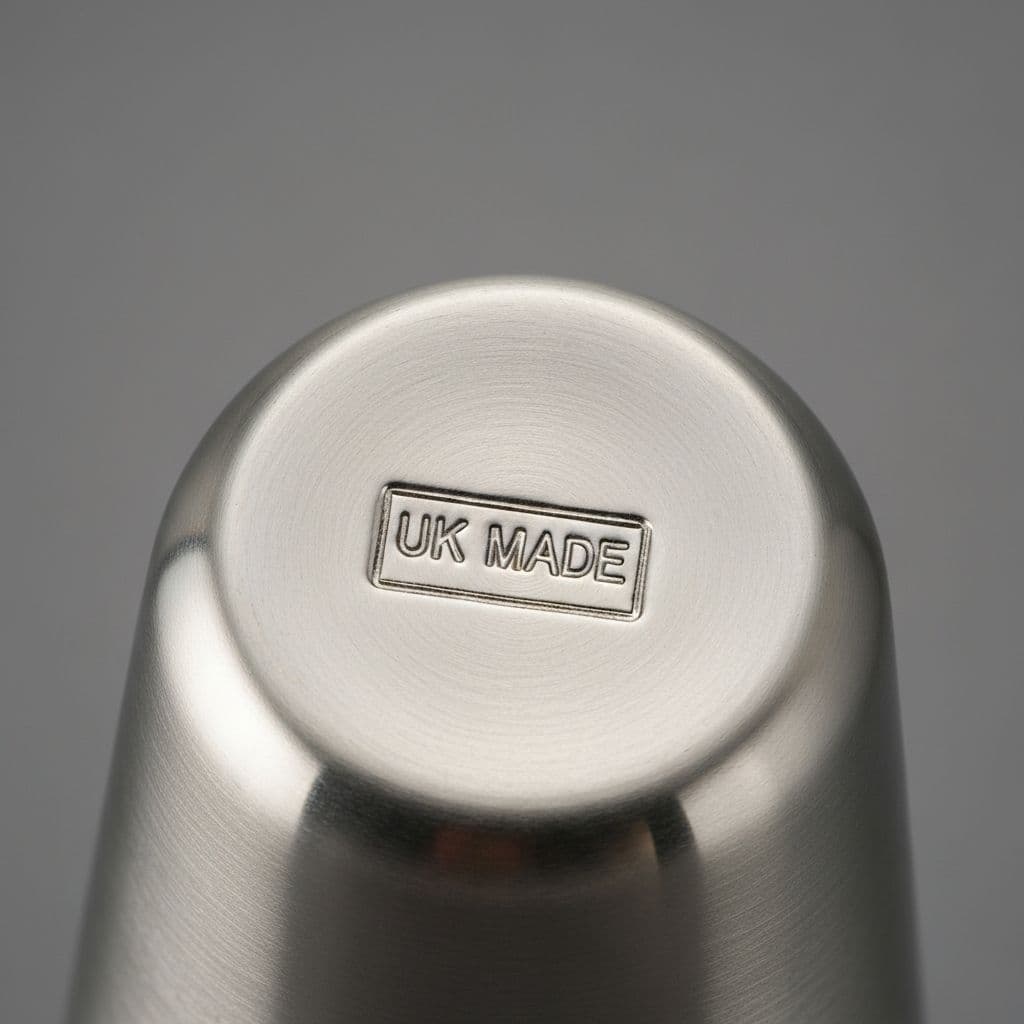
Food contact law asks for something similar. Article 15 of assimilated Regulation 1935/2004 asks for the name or trade name and address of the manufacturer, processor or seller responsible for placing the material on the market, and identification to ensure traceability, on materials not yet in contact with food when placed on the market. Article 17 requires traceability at all stages. The exemption in article 15(2) covers only the for food contact wording, for articles clearly intended to come into contact with food.
What a distributor has to do
Regulation 8 asks a distributor to act with due care: not to supply a product it knows, or should have presumed as a professional from the information it has, is dangerous, and to take part in monitoring by passing on information about risks, keeping the documentation needed to trace the origin of the product and producing that documentation. The OPSS guidance adds that a producer or distributor that knows a product poses a risk incompatible with the general safety requirement must notify an enforcement authority in writing. It also describes a time-limited option for importers who cannot put their name and address on each item, which the guidance says may not be used after 31 December 2027.
What it means for a promotional order
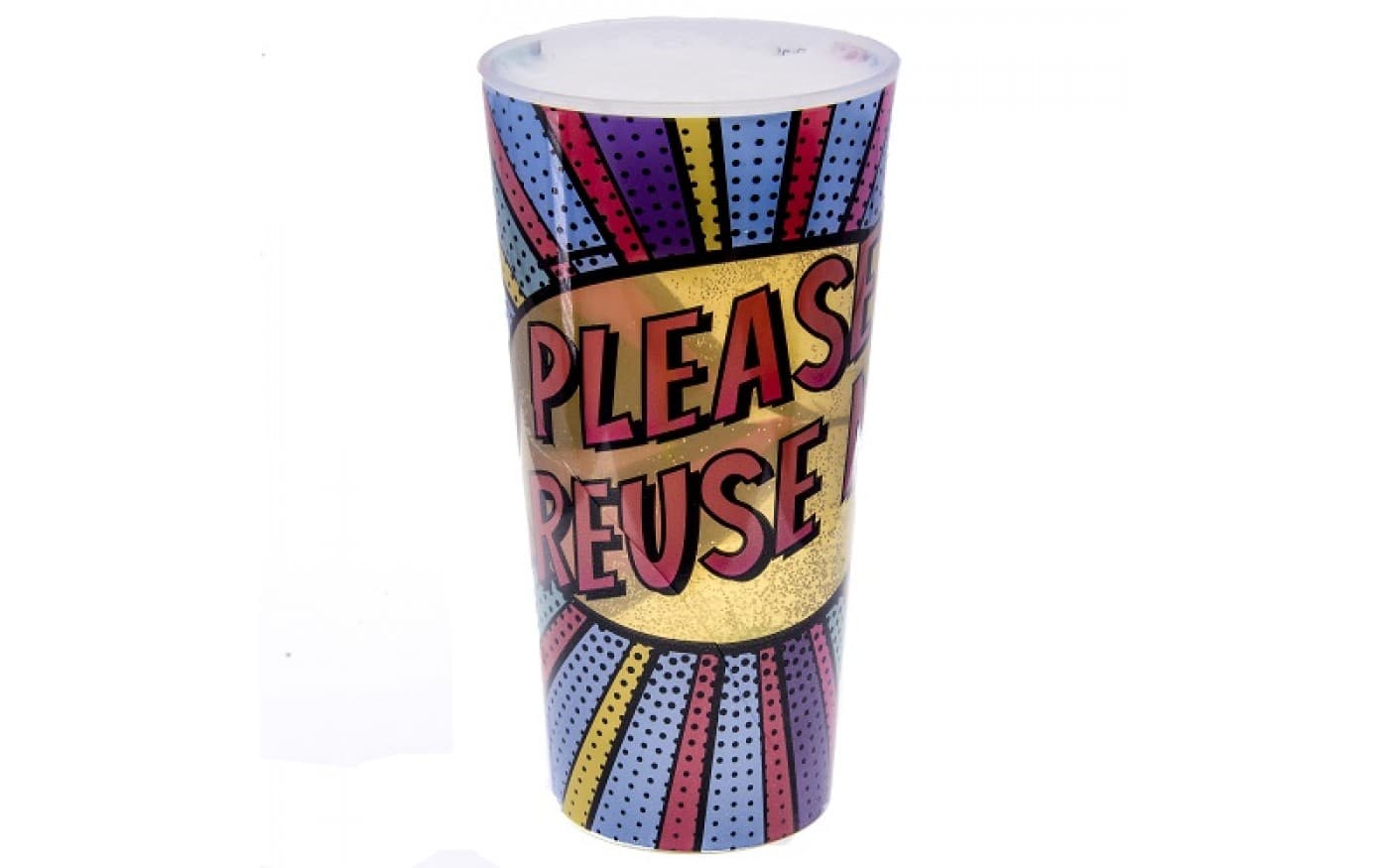
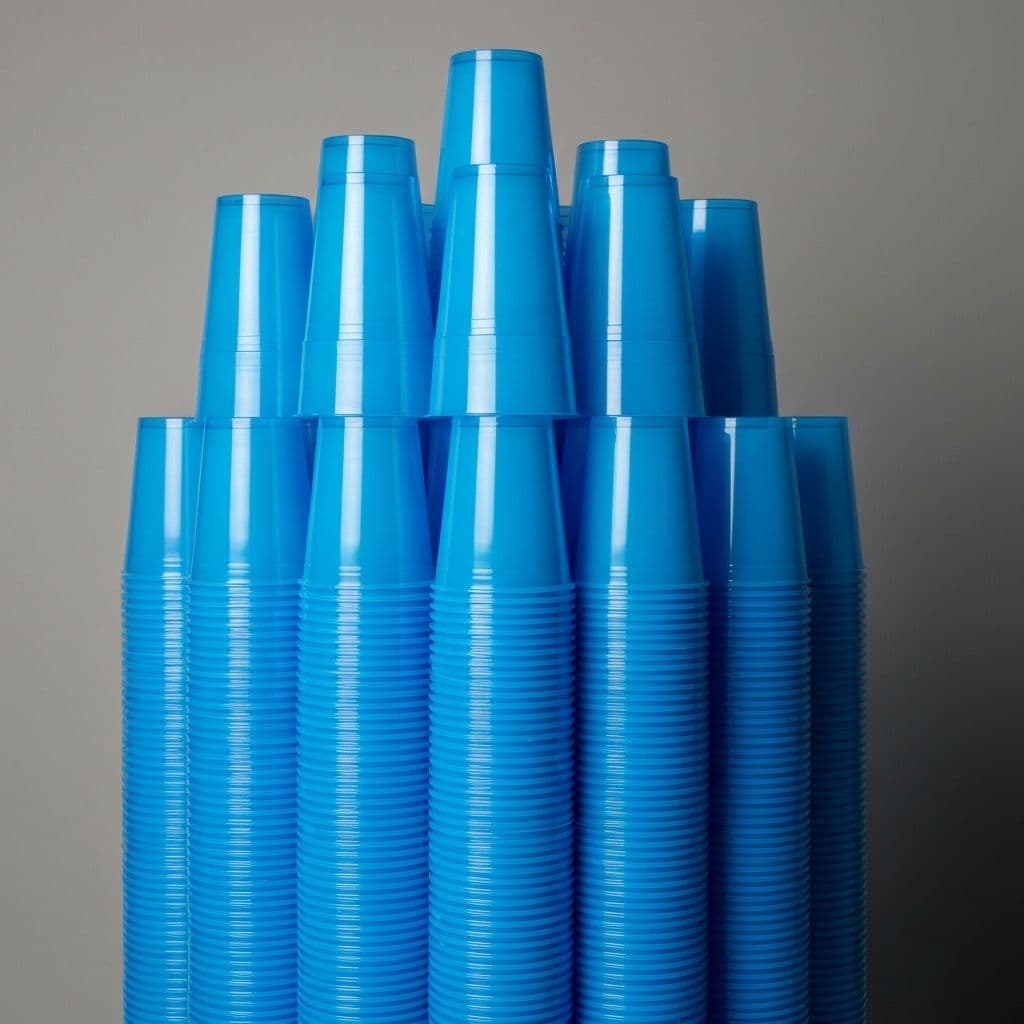
The promotional cups page describes pint and half pint cups printed in one colour or full colour and a 350ml reusable coffee cup printed in one colour, from 50 cups. For any of them, three practical questions follow from the rules above: who is the producer for this product, what evidence of safety and food contact compliance the supplier holds, and what traceability information sits on the cup or the box. Put them to the supplier in writing when you ask for a quote, and keep the answers with the order.
Where this stands
This was checked on 30 September 2026. The Regulations show no outstanding changes on legislation.gov.uk. The government consultation on a new core product safety framework ran from 31 March to 23 June 2026 and on the day of this check said feedback was being analysed. The consultation document says the government will publish its response within 12 weeks of the closing date, so read the consultation page for an outcome before relying on this section. The OPSS guidance is dated December 2024 and is the oldest guidance page here, so the regulation text was read separately rather than relying on it.
Frequently Asked Questions
Do the General Product Safety Regulations apply to free promotional cups?
Regulation 2 defines a product as one intended for consumers or likely to be used by consumers, supplied or made available whether for consideration or not in the course of a commercial activity. A cup handed to members of the public at an event is the clear case on that wording. For cups given only to business contacts, the words likely to be used by consumers decide it, and that is a question of the facts.
Does putting my logo on a cup make me the producer?
The definition includes any other person presenting himself as the manufacturer by affixing to the product his name, trade mark or other distinctive mark. The Regulations do not say whether a logo on a promotional item amounts to that, and the OPSS guidance does not address it, so ask your supplier and your local Trading Standards service.
What must a producer put on a product?
Under regulation 7, except where it is not reasonable to do so, an indication on the product or its packaging of the name and address of the producer and the product reference or, where applicable, the batch.
Do these Regulations cover chemicals passing from a cup into a drink?
Regulation 3 says that where a product is subject to specific safety requirements in a relevant enactment, the Regulations apply only to the aspects and risks those requirements do not cover. Food contact law sets its own requirements on constituents passing from a material into food, in article 3 of assimilated Regulation (EC) No 1935/2004, and our guide to food safe reusable cups covers it. Which risks each regime covers is a question for the business and its adviser.
Is the law about to change?
A government consultation on a new core product safety framework ran from 31 March to 23 June 2026. On 30 September 2026 the GOV.UK page said feedback was being analysed. The consultation document proposes that the producer category follow the precedent of the 2005 Regulations, including any other person presenting themselves as the manufacturer by affixing to the product their name, trademark or other distinctive mark, where that person is based in the UK. The 2005 Regulations remain the framework in Great Britain until that changes.
How we checked this article
Checked on 30 September 2026. Regulations 2, 3, 5, 7 and 8 of the General Product Safety Regulations 2005 were read in their Great Britain version on legislation.gov.uk, which shows no known outstanding effects; the list of instruments amending the Regulations shows none made in 2026. Regulations 5, 7 and 8 are in their original text of 1 October 2005, regulation 3 was last amended on 31 December 2020 and regulation 2 on 27 February 2025. The definitions of product, producer, distributor and relevant enactment and the obligations in regulations 5, 7 and 8 are quoted or paraphrased from that text. The Office for Product Safety and Standards guidance on the Regulations in Great Britain, dated 13 December 2024, is the oldest guidance page cited and was read for the summary of producer and distributor duties and for the time-limited option on importer traceability; it does not mention promotional items, own-brand goods or logos, and the article says so instead of filling the gap. Articles 3, 15 and 17 of assimilated Regulation (EC) No 1935/2004 were read on legislation.gov.uk for the requirement on constituents transferring to food and for the labelling and traceability requirements on food contact materials; articles 3 and 17 stand in their text of 31 December 2020 and article 15 in its text of 27 February 2025. The GOV.UK page for the consultation on the UK's new product safety framework and the consultation document it links to were read on 30 September 2026: the consultation ran from 31 March to 23 June 2026 and, on that date, the page said the feedback was being analysed and carried no outcome. The document says the government will publish a response within 12 weeks of the closing date and proposes that the producer category follow the precedent of the current Regulations. That status is the part most likely to change. Product details come from this site's promotional cups page. The Regulations apply in Great Britain; Northern Ireland moved to the EU General Product Safety Regulation on 13 December 2024 according to the OPSS guidance and is not covered. Whether a particular business is a producer is a question of its own facts, and nothing here is legal advice on it.
- Published by
- Branded Cups Ltd
- Sources last checked
- 2026-09-30
Sources
- The General Product Safety Regulations 2005, regulation 2 (interpretation: product, producer, distributor, safe product)
- The General Product Safety Regulations 2005, regulation 3 (application)
- The General Product Safety Regulations 2005, regulation 5 (general safety requirement)
- The General Product Safety Regulations 2005, regulation 7 (other obligations of producers)
- The General Product Safety Regulations 2005, regulation 8 (obligations of distributors)
- OPSS, General Product Safety Regulations 2005: Great Britain (December 2024)
- GOV.UK, Product regulation: the UK's new product safety framework (consultation, 31 March to 23 June 2026)
- Assimilated Regulation (EC) No 1935/2004, article 15 (labelling)
- Assimilated Regulation (EC) No 1935/2004, article 17 (traceability)
- Branded Cups, Promotional cups
- Assimilated Regulation (EC) No 1935/2004, article 3 (general requirements)
- GOV.UK, The UK's new product safety framework (consultation document, 31 March 2026)