TL;DR
Plastic Packaging Tax is charged at £228.82 per tonne from 1 April 2026 on finished plastic packaging components containing less than 30% recycled plastic, once a business manufactures or imports 10 tonnes or more in 12 months. HMRC's published examples table lists disposable cups, including party cups and plastic pint glasses, as single use consumer packaging in scope, and lists reusable coffee cups as out of scope. The tax falls on the manufacturer or importer of the component, not on the venue buying the cups, though a venue may see it reflected in the price it is quoted.
A buyer comparing a printed disposable cup with a printed reusable one is usually comparing two unit prices. There is a third number sitting behind one of them, and it is set by HMRC rather than by a supplier.
What the tax is, and what triggers it
Plastic Packaging Tax applies to finished plastic packaging components manufactured in or imported into the UK. GOV.UK's guidance on the steps to take, last updated on 12 February 2026, sets the rate at £228.82 per tonne from 1 April 2026, and puts the registration threshold at 10 tonnes or more of finished plastic packaging components in the last 12 months or in the next 30 days.
The charge is not on all plastic packaging. It falls on components "which contain less than 30% recycled plastic". A component at or above that proportion of recycled content is still counted towards the threshold and still reported, but it is not chargeable.
For the tax, plastic means a polymer material to which additives or substances may have been added. Cellulose-based polymers that have not been chemically modified, such as viscose, are not treated as plastic; chemically modified ones, such as cellulose acetate, are.
The distinction that decides a cup
GOV.UK's guidance on which packaging is subject to the tax, last updated on 28 August 2026, splits packaging components into two kinds. The first is supply chain packaging: "a product that's designed to be suitable for use in the supply chain, from the manufacturer of the goods to the user or consumer". The second is single use consumer packaging, described as "any single use product designed to be used by a consumer or domestic user".
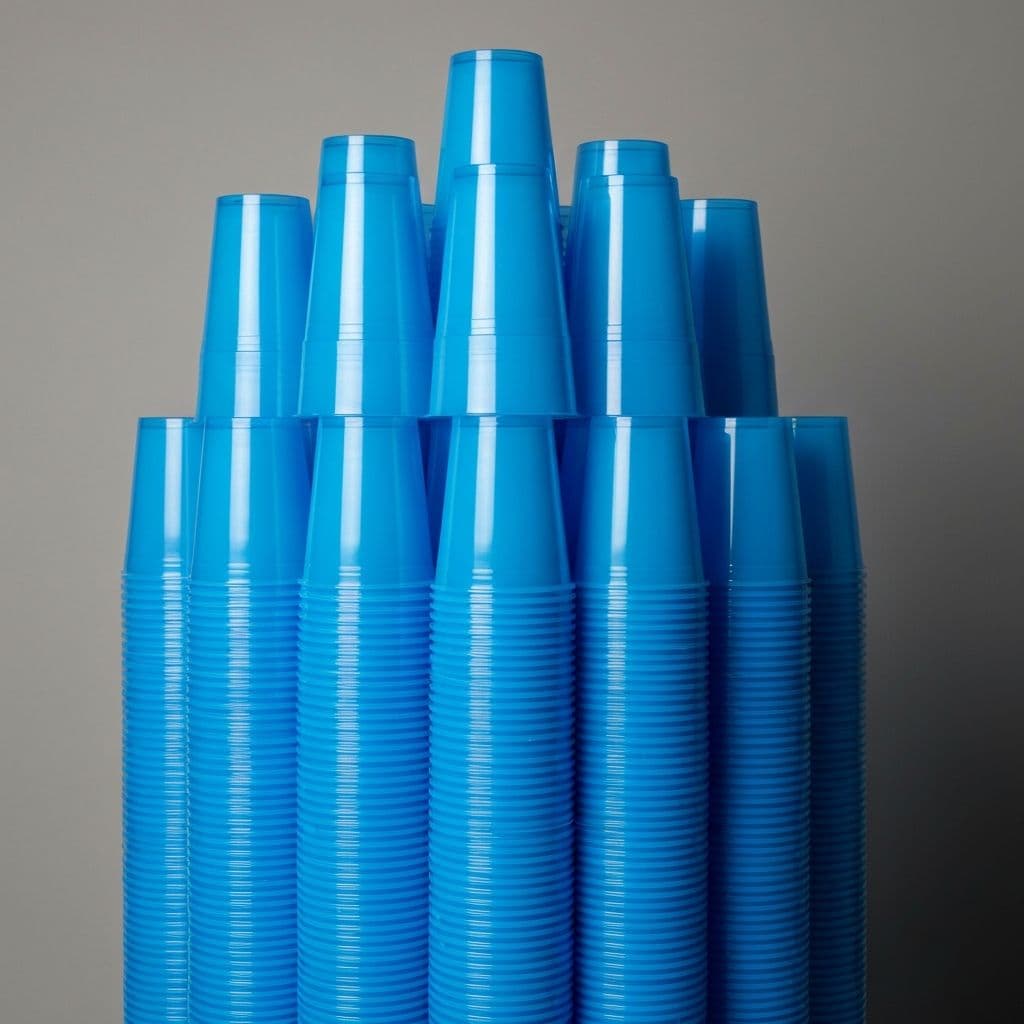
That second category is where drinks cups land. HMRC publishes a separate examples table showing what falls in and out of scope, and it names cups on both sides. In scope, under single use consumer packaging: "disposable cups including: expanded polystyrene cups, party cups, plastic wine and pint glasses, vending machine cups". Out of scope, in the supply chain packaging examples: "reusable coffee cups".
Read plainly, the line the table draws is single use against repeated use, not one material against another. A disposable plastic pint glass is named. A reusable coffee cup is named on the other side.
One caution on that table, and it is the reason it is cited here with its date. The examples page carries a last updated date of 12 October 2022, while the two guidance pages it sits beside were updated in February and August 2026. An examples list that has not moved in four years is worth treating as an illustration of the test rather than as the current word on any particular product. Where a specific cup sits is for the business that manufactures or imports it to establish with HMRC.
Who actually pays it
The tax is charged on the manufacturer or the importer of the finished component. A venue buying 40,000 printed cups is not the registered person, and does not file a return for them. What reaches the venue is the price.
That matters for how a quote is read. Two disposable cup quotes can differ for reasons that have nothing to do with print quality or lead time: recycled content above or below the 30% test, and whether the supplier is over the 10 tonne threshold at all. Asking a supplier which side of the recycled content test their component sits on is a fair question, and it is one the tax makes them able to answer.
Where reusables change the arithmetic
A cup that is designed to be washed and served again is doing a different job from a cup that is designed to be thrown away. HMRC's examples list treats a reusable coffee cup differently from a disposable one, but the table names that one reusable product, not reusable cups in general, so a reusable event cup does not appear on either side of it and its status is a question for its manufacturer or importer. That is one input among several, alongside the cost of washing, the cost of losses, and whether an event runs a deposit at all. The reusable event cups in this range are BPA-free and dishwasher safe, and the same cups can be hired rather than bought where an event would rather not own the stock or handle the washing.
For a run where single use is the practical answer, the tax is one line in the comparison rather than a verdict. It is worth knowing it exists before the quotes are read, not after.
What to check before you order
Ask who the registered person is for the component you are buying, ask what recycled content the component carries against the 30% test, and keep the answers with the order. If you import cups yourself rather than buying them from a UK manufacturer, the obligation can be yours: the 10 tonne figure counts what you import as well as what you make. Get a quote with the quantities you have in mind and the questions above attached to it.
Frequently Asked Questions
Are disposable plastic cups subject to Plastic Packaging Tax?
HMRC's published examples table lists disposable cups, including expanded polystyrene cups, party cups, plastic wine and pint glasses and vending machine cups, as single use consumer packaging in scope of the tax. That table was last updated on 12 October 2022, so treat it as an illustration of the test and confirm a specific product with HMRC.
Are reusable cups exempt from Plastic Packaging Tax?
The same examples table lists reusable coffee cups among the items out of scope. The test HMRC applies is whether the component is designed for single use by a consumer, so a cup designed to be washed and used again is treated differently from a disposable one. Whether a particular cup qualifies is for its manufacturer or importer to establish.
What is the Plastic Packaging Tax rate?
GOV.UK gives the rate as £228.82 per tonne from 1 April 2026, on finished plastic packaging components containing less than 30% recycled plastic.
Do I have to register if I buy cups from a UK supplier?
The tax is charged on the manufacturer or the importer of the finished packaging component. A venue buying cups from a UK supplier is not the registered person for them. If you import cups yourself, the 10 tonne threshold in a 12 month period applies to you.
Does 30% recycled content remove the tax?
A component containing 30% or more recycled plastic is not chargeable, though it still counts towards the registration threshold and still has to be accounted for. GOV.UK also notes that packaging should only contain recycled plastic where other regulations and food safety standards permit it.
How we checked this article
Checked on 6 September 2026 against HMRC guidance on GOV.UK rather than trade commentary, and each page opened twice, once to write from and once to refute. The rate of £228.82 per tonne from 1 April 2026, the 10 tonne threshold and the 30% recycled plastic test are taken from the 'Plastic Packaging Tax: steps to take' guidance, last updated 12 February 2026, and confirmed word for word. The two categories of packaging component, supply chain packaging and single use consumer packaging, are taken from 'Check which packaging is subject to Plastic Packaging Tax', last updated 28 August 2026. The named examples of cups in and out of scope come from the published examples table, confirmed to still carry a last updated date of 12 October 2022, the oldest of the three pages, with no newer examples page found. An HMRC consultation on certification of recycled plastic claims, open from 18 May to 10 August 2026, touches neither the rate, the threshold nor the cup examples. One point is stated rather than inferred: the examples table names reusable coffee cups and no other reusable cup, so it is not read here as covering reusable event cups. Nothing on this page states the tax position of a particular product on this site, which is a matter for the manufacturer or importer and HMRC.
- Published by
- Branded Cups Ltd
- Sources last checked
- 2026-09-06